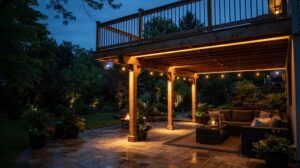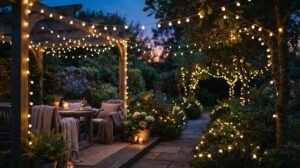
Want your building to look stunning after dark? The right outdoor facade lighting does exactly that.
But here’s the catch. Most people pick the wrong technique, and a great building ends up looking flat, uneven, or washed out.
There are three main ways to light a facade: floodlighting, wall grazing, and wall washing. Each one creates a completely different look and suits a different surface.
We’ve helped specifiers and installers get this right on stone, brick, glass, and concrete facades. The lighting works when the technique matches the wall.
In this guide, we’ll break down all three methods. You’ll learn how they work, which surfaces they suit, and how far to mount each fixture. We’ll also cover what specs to check before you buy.
Let’s find the right approach for your project.
3 Ways to Light a Facade
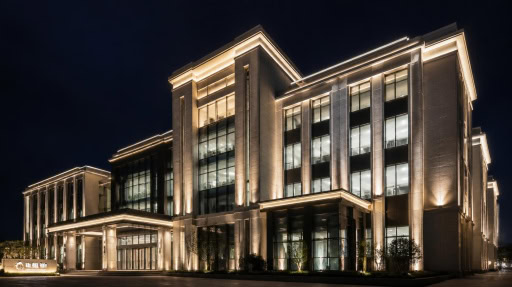
Three techniques dominate architectural facade lighting: wall washing, wall grazing, and floodlighting. Major manufacturers like Signify’s Color Kinetics build entire outdoor product lines around them.
Each technique creates a different look. So your choice comes down to two things: the surface material and the effect you want.
Here’s a quick comparison.
| Technique | Visual effect | Best surfaces | Typical fixture position |
|---|---|---|---|
| Wall washing | Even, smooth, uniform light | Smooth, solid facades | Set back from the wall |
| Wall grazing | Shadows and highlights that reveal texture | Stone, brick, masonry | Close to the wall, shallow angle |
| Floodlighting | Broad coverage of the whole elevation | Large forms, landmarks | At a distance, wide beams |
Let’s look at each technique in detail.
Floodlight: Light the Whole Building
How It Works
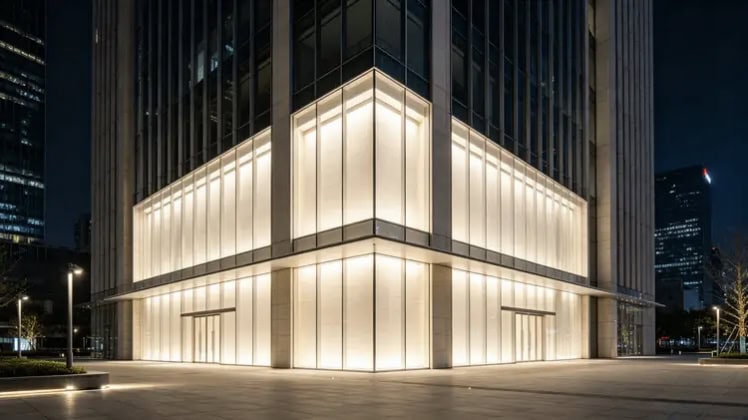
Facade floodlighting bathes an entire elevation in a broad, even glow. It doesn’t brush light across a surface. It covers the whole thing.
Floodlights use wide beams to cast large amounts of light across the building. This makes it highly visible from a distance.
They’re also versatile. Aim the same fixture family a different way, and it can produce washing or grazing effects instead.
You typically position floodlights away from the building, so the light covers the whole plane. This lets the building’s mass read clearly against the dark sky, rather than emphasizing the material grain.
When to Use It
Floodlighting suits buildings that make their statement through form, not finish.
Take a solid facade, a smooth wall with no texture. It offers nothing for narrow beams to reveal. So lighting the whole elevation becomes the smarter choice.
Commercial lighting manufacturers like Wipro Lighting point out that good facade lighting highlights a building’s main features. When those features are the silhouette or the massing, not the surface joints, flooding preserves the look you want at night.
You can also pair floodlighting with accents. Up-lighting pillars and columns adds contrast and makes an element the center of attention. Silhouetting places light behind an object to light up the backdrop.
Together, these give you practical facade lighting ideas for large commercial buildings.
What Specs Matter
Beam spread comes first.
Narrow beams sharpen the vertical divisions of a divided facade. Wider distribution suits unbroken surfaces. You can also combine up-lights and downlights with floodlighting to strengthen the overall composition.
Lumen and wattage needs change from project to project. So the real question is simple: do the beam angle and aiming position match the facade’s geometry?
The most reliable way to find out is a quick on-site test. Set up a temporary unit and check the coverage before you commit.
Wall Grazer: Show Off Texture
How It Works
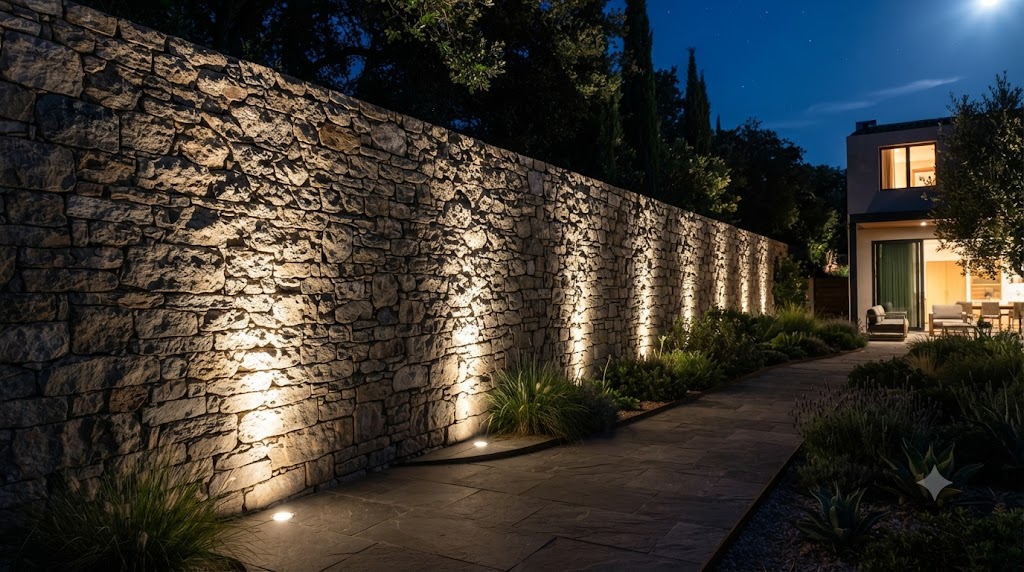
Grazing is the texture-revealing counterpart to even light.
You place the fixtures right against the building surface. Then you aim the beam across the plane at a shallow angle.
That low-angle light catches every bump and crevice. It creates shadows and highlights that bring out the material’s character after dark.
The effect works because the light rakes across the surface instead of hitting it head-on. So the facade reads as dimensional, rugged, and tactile.
Best Surfaces
Grazing looks its most dramatic on naturally textured materials. Think stone, brick, split-face block, and other uneven cladding.
Smooth, flat surfaces give the shallow beam nothing to reveal. The light just slides across with nothing to catch.
So read the surface first. If it has texture worth showing, grazing is the right approach.
How Close to Mount It
Placement defines the grazing effect.
Keep the fixtures close to the facade so the beam stays shallow. As you pull the fixture away, the angle steepens and the shadows flatten out. You lose the whole effect.
In practice, you mount at the base of the wall or recess the units right into it. You can use brick louvers, linear LED strip fixtures for long runs, or low-voltage luminaires built for tight mounting.
One rule shows up in any reliable architect guide to outdoor lighting: test at night before you finalize anything. Adjust the fixture angle until the texture reads crisply, without hot spots.
Wall Washer: Even, Smooth Light
How It Works
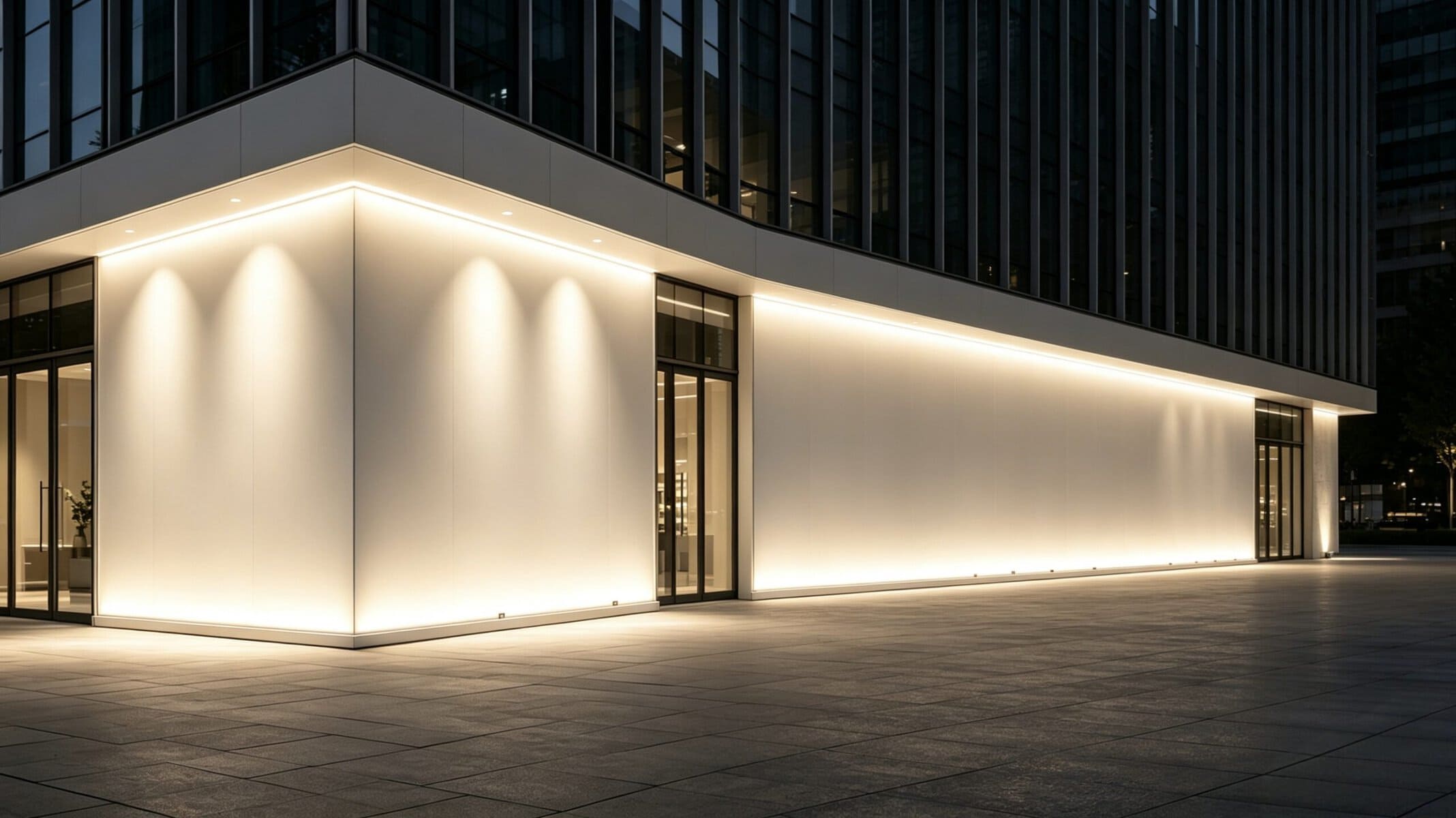
Washing does the reverse of grazing. Instead of celebrating texture, it erases it.
Wall washer lights spread illumination evenly across the surface, avoiding any emphasis on relief. The facade reads as one calm, clean plane of light.
Wide-beam fixtures handle most jobs. On very long elevations, a linear strip format built for large-scale washing keeps the finish consistent from end to end.
Best Surfaces
Washing belongs on solid facades, meaning smooth walls that absorb light without breaking it up. When the material doesn’t need dramatizing, a wash gives the building a quiet, uniform presence at night and hides any surface irregularities.
Textured stone or brick calls for grazing instead, which plays up the relief rather than flattening it.
How Far to Mount It
Standoff distance is what separates a clean wash from an accidental graze.
The fixtures need enough room from the facade for the beams to spread and overlap before they land, and that overlap is what creates the seamless glow. Beam spread, elevation height, and mounting layout all feed into the right spacing, so no single figure fits every project.
Skimp on the distance and you end up with banding or patchy coverage instead of an even finish.
Which Technique Fits Your Facade?

Recommendations Based on Scenarios
Ask yourself what you really want the facade lighting to do here. Show off a key feature? Throw some artistic shadows? Make one part the thing everyone looks at? Once that’s clear, let the material guide which technique you pick.
Match the Technique to the Material
The surface finish should drive your decision more than anything else. Here’s how the common facade materials break down:
- Smooth surfaces (glass, polished concrete, painted panels): Go with wall washing. Even, flat light keeps these clean planes looking crisp. Grazing would only expose every tiny flaw.
- Textured surfaces (natural stone, brick, rough concrete): Use wall grazing. A shallow angle catches the bumps and grooves, so the texture pops with depth and shadow.
- Structural elements (columns, pillars, vertical fins): Reach for uplighting or narrow-beam spotlights. They pick out the shape and give the facade a strong sense of rhythm.
- Mixed-material facades: Don’t force one technique across the whole wall. Zone it. Wash the smooth sections, graze the textured ones, and accent the structural features separately.
Get the material read right first, and the rest of the design falls into place much faster.
Common Mistakes to Avoid
The most common error is picking outdoor wall facade lighting fixtures before you’ve looked at the surface. Smooth materials want even distribution. Textured ones need shallow angles to stay lively. Get this backwards and the effect falls flat.
Another mistake is treating commercial outdoor facade lighting as pure decoration. Highlighting and silhouetting give you completely different results, so plan each one on purpose.
And don’t forget daylight shifts through the day. A design that reads well at noon can go flat after sunset if you never planned the light direction. Always test at night before you commit.
Uplighting vs. Downlighting: Choosing the Right Direction
Direction decides which part of the building takes center stage after dark.
Uplighting lifts pillars and columns and makes them stand out. On facades with vertical divisions, mixing uplights and downlights reinforces the building’s rhythm. Let the structural lines guide your choice.
One more thing: check your local energy codes first. Rules like California’s outdoor lighting prescriptive measures cap how much lighting power you’re allowed, based on how bright the surrounding zone is. It’s easier to design within the limit than to redo the work later.
Wall Washing vs. Wall Grazing: Which Effect Works?
The final call comes down to surface character.
Washing gives you a calm, even plane. It’s the go-to for modern facade lighting design where smoothness is the whole point. Grazing does the opposite. It reveals texture and adds real impact on characterful materials like stone and brick.
Whichever way you go, energy efficient facade lighting with LED sources and remote control keeps your operating footprint low over the life of the install. That matters more than people expect once the lights are running every night for years.
What to Check Before You Buy
Light Performance
Start with light beam control, because it decides everything else.
A good spec sheet tells you exactly how the fixture spreads light — an even wash, a shallow graze, or a tight accent beam. If the datasheet stays vague here, that’s a red flag.
You also want to look at glare. Louvered designs shield your eyes from the source while pushing light exactly where it needs to go. In short, how the fixture is built shapes both the light pattern and how comfortable it feels to stand near.
Durability & Certifications
Outdoor placement means weather, moisture, and temperature swings.
Exterior placement means rain, humidity, and big temperature swings. Your fixture has to shrug all of that off.
So match the IP rating to the exposure. For anything mounted out in the open, go with IP65 or higher.
Then check the electrical safety marks. You want to see IEC, UL, or CE, depending on which market you’re selling into.
Project Fit
Next, match the fixture to the job. Steps and paths call for compact units with tight beam control, while large facade planes need broad distribution or several fixtures working together. Think about the surroundings too, including entrances, parking areas, and walkways, and decide early whether you’ll add connected controls for seasonal scenes or energy tracking.
One more thing people often miss: installation cost depends heavily on mounting access, wiring runs, and control infrastructure. So scope those out early instead of just comparing fixture prices.
Color Temperature and CRI
Color decides how your facade actually looks after dark. Warm color temperatures bring out the richness of materials like brick, stone, and timber, while cooler tones suit glass, metal, and modern finishes.
High-CRI white light matters just as much, because it renders the true colors of the surface instead of washing them out.
So always judge color temperature against the facade finish, and use CRI to check how faithfully the light reveals it. Together, these two factors matter more than raw brightness.
Smart Controls, Dimming, and Maintenance
Finally, think about how you’ll control and maintain the system. For dimming and scene control, DALI gives you addressable digital control, 0 to 10V offers a simpler analog option, and wireless systems work best for retrofits where running new control wiring isn’t practical.
Before you sign off, run a quick maintenance checklist. Confirm the aiming after installation, schedule regular lens cleaning, check the gasket seals once a year, and keep your driver and controller documentation on file so any replacements match the original spec.
FAQ
Can I use floodlights for wall washing?
Yes. Floodlights are versatile enough to create washing or grazing effects depending on aiming and standoff distance. For a true even wash, though, ensure the beams overlap before reaching the surface; a dedicated wall washer or linear fixture usually delivers better uniformity on long elevations.
How do I avoid glare and light spill into windows or the sky?
Use directional, shielded fixtures that place light only where needed, aim beams onto the facade rather than past its edges, and use louvers near eye level. Dimming controls let you reduce output late at night, which also helps meet outdoor lighting power limits in local energy codes.
How do I choose between commercial outdoor facade lighting systems?
Compare on four axes: light performance (beam control, CCT, CRI), durability (IP rating, certifications, exterior-rated construction), integration (DALI, 0–10V, or wireless control), and supplier support. Comprehensive, seamlessly integrated systems that install quickly and reduce maintenance time typically cost less over their life than the cheapest fixture-by-fixture purchase.
Conclusion
You now have a clear framework: read the surface, then pick the technique. Wall washing for smooth planes, grazing for texture, floodlighting for form.
So before your next project, put it to work. Walk the facade, note the material on each section, and shortlist the technique that fits. Then run a night-time mock-up to confirm the effect before you order anything.
Want to sharpen the details? Check our guide on [choosing IP ratings for outdoor luminaires] to make sure your fixtures survive the elements once they’re installed.
Let’s Light Your Facade with RC Lighting
At RC Lighting, we help specifiers and installers get facade lighting right across stone, brick, glass, and concrete projects worldwide. Our exterior-rated fixtures cover every technique in this guide, from wide-beam floodlights to precision wall grazers and linear washers, all built to hold up outdoors for years.
Need fixtures tailored to your facade? We offer custom solutions built around your surface, beam requirements, and mounting conditions. Request a custom quote to get started.