Dynamic façade lighting adds movement and color to a building’s exterior. It creates patterns, animations, and smooth transitions. Digital control makes these effects possible.
LED systems use techniques like color-chasing and pixel segmentation to achieve the final look. This article explains how these technologies work to shape modern façade design.
Understanding Dynamic Facade Lighting
Dynamic façade lighting creates a dramatic effect on architectural structures. It adds motion, color, and controlled illumination to the exterior. It transforms a building from a static surface into an expressive and programmable visual experience.
What Makes Lighting “Dynamic”?
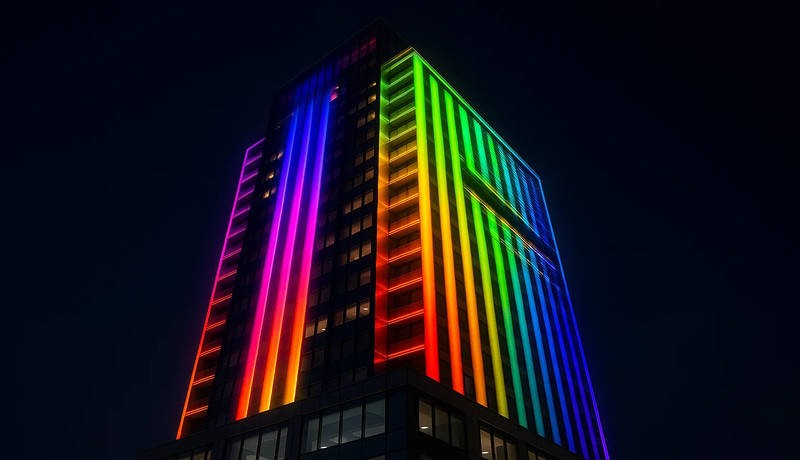
Dynamic lighting is not just a blazing on and off switch. At the same time, static façade lighting stays fixed in one color or intensity. Dynamic lighting creates movement, color transitions, and programmable lighting effects. It provides real-time lighting control.
The right lighting scenarios create smooth transitions across the building. This technique is used to highlight architectural structure. Mostly used in restaurants, cafes, landmarks, and public spaces.
Designers can shape the façade with slow cool white gradients, bold RGBW chase patterns, and fully mapped animations.
Key Benefits
Dynamic façade lighting provides several benefits, blending visual impact with smart performance.
- Enhanced architectural aesthetics: Movement, contrast, and tunable white create depth and mood. It a greater connection between the building and its surroundings.
- Event-specific flexibility: Designers can quickly program colors and effects for any occasion. This works for holidays, brand campaigns, or city events without changing fixtures.
- Programmable control: Dynamic systems create high brightness with lower energy consumption. Provide long-term sustainability.
Dynamic lighting is a useful tool for modern architecture. It communicates, inspires, and complements spaces around it.
Color Chasing Techniques
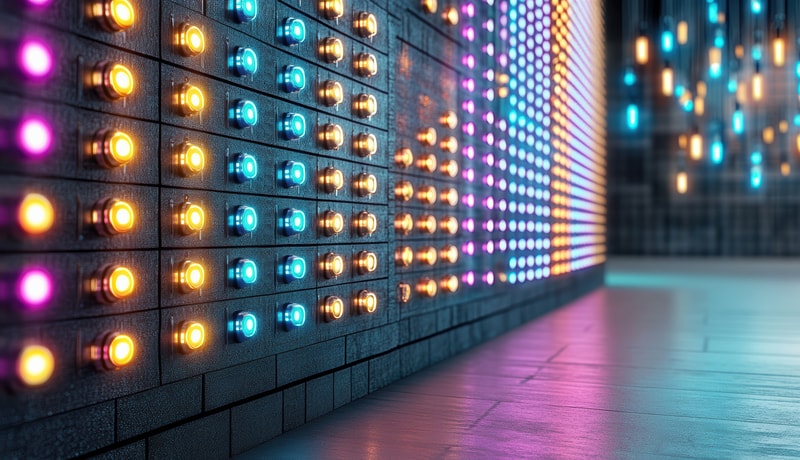
Color chasing is one of the most obvious features of dynamic façade lighting. It adds movement and rhythm to the exterior of the building. Designers can control how light travels from one fixture to another. Fluid patterns can be created to guide the eye and energize the façade.
How Color-Chasing Works
Color-chasing facade lighting relies on sequential lighting. Dynamic LED solutions are illuminated in a programmed order to create the perception of motion. DMX control lighting systems or smart LED drivers manage the lighting behavior. They control timing, color temperature, brightness, and transitions across the façade.
With programmable LED façade lighting, each fixture or pixel responds instantly. It allows for smooth waves, pulses, and directional movement.
Design Considerations
Color chasing requires visual planning. It is not just about adding bright colors to the screen.
- Using matching colors or soft, tunable white makes the building look more attractive. It makes the lighting not too strong or distracting.
- With movement and brightness adjustment, the lighting effect reinforces the building’s aesthetic. It also prevents distraction.
- Proper lighting distribution and fixture placement improve visibility and comfort. It reduces glare and oversaturation.
Applications
Color chasing is used to accent façades and outline building edges. It is used to highlight architectural features. It guides the eye towards entrances and focal points. It makes exterior lighting feel more personal and expressive. It also supports branding and visual storytelling.
Pixel Segmentation
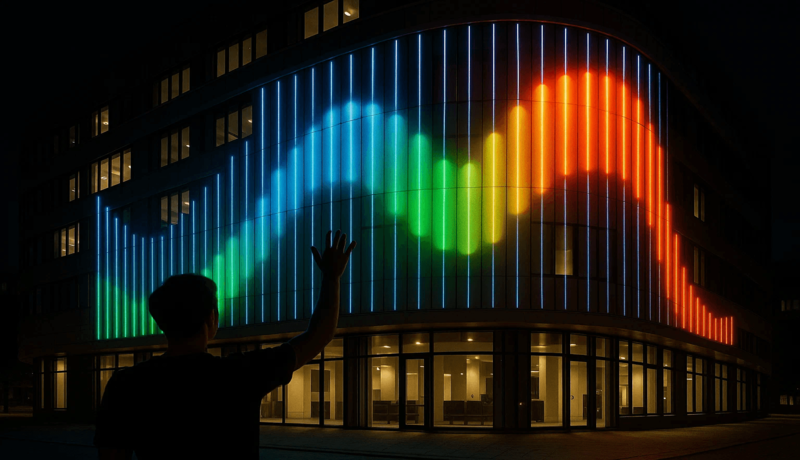
Pixel segmentation is essential for dynamic facade lighting. It allows designers to accurately control all parts of the façade. It does not treat the building as a large lighting source. Instead, it splits it into smaller “pixels.” It offers the opportunity to display detailed movements and patterns.
Concept of Pixel-Based Control
Pixel-based control focuses on every LED or lighting fixture as an individual pixel. This means every pixel can have its own color, brightness, and intensity, just like a screen. This lets designers create smooth gradients and shifting patterns. They can create animation-style effects across the building.
Implementation Methods
Architectural facade lighting needed to be arranged in clear and organized layouts. So the pixel segmentation works well. With this, the system read each pixel accurately.
- LEDs are mapped in grids or linear segments. So, the controller understands the exact location of each pixel.
- The software controllers then automatically adjust timing, color, and movement of all pixels. This allows the building to “play like a digital canvas.”
This layout provides easy and predictable lighting scenarios, enabling precise lighting solutions.
Advantages
Pixel segmentation offers several useful benefits:
- It allows buildings to display more complex animations and patterns. Create a richer and more engaging façade.
- The designers can update or modify effects through software. They don’t need to replace fixtures or change wiring. It saves time and makes the system flexible for future needs.
Pixel segmentation transforms the façade into a customizable digital surface. It opens the door to unlimited creative possibilities.
Mapping and Programming
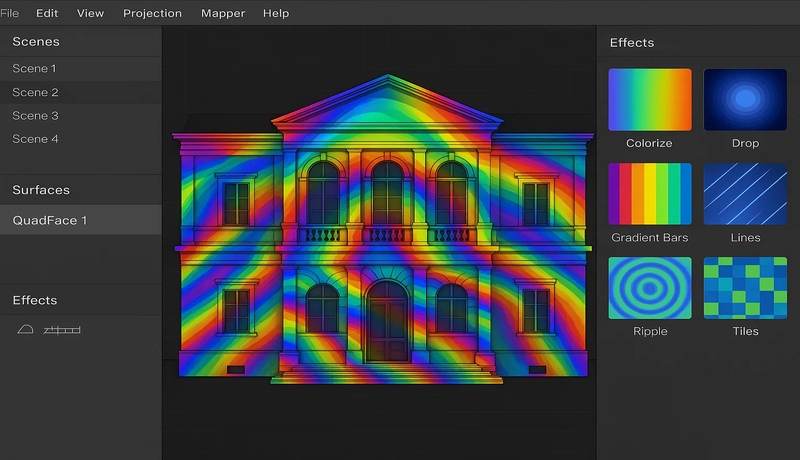
Mapping and programming turn a lighting concept into a real, accurate, and responsive façade display. These techniques help match every light point to the building’s shape and structure. They also ensure that movement patterns appear exactly as intended.
3D Mapping of Building Facades
3D mapping begins by creating a digital model of the building. It identifies the lighting layout that corresponds to the architecture. In 3D mapping, the effect is matched with edges, columns, texture, and other architectural façade features.
Through mapping, the system can also correct for uneven surfaces, corners, and setbacks. It makes sure animations flow smoothly across the entire exterior, even when the façade isn’t perfectly flat.
Software Tools and Controllers
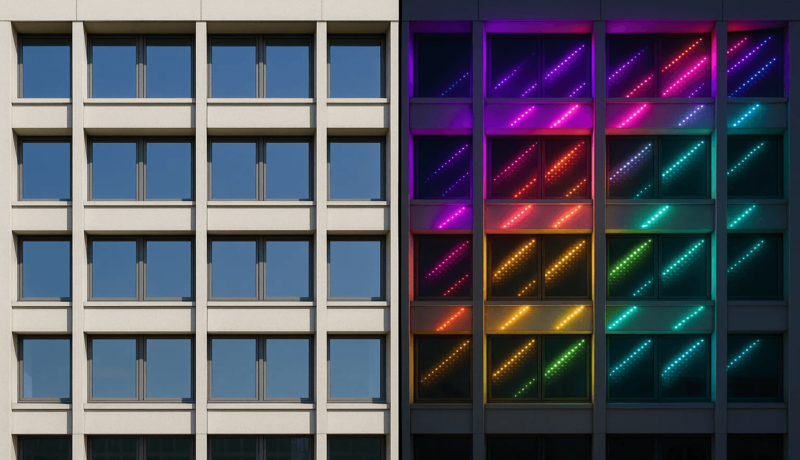
Dynamic systems rely on smart control systems such as DMX, Art-Net, or proprietary lighting control systems. These systems can monitor hundreds of thousands of pixels at once. These platforms allow designers to program movement, color, and brightness perfectly.
Before installation, pre-visualization software is used to test patterns. It pre-visualizes the lighting appearance at night. This setup helps to design up early and predict potential problems. It also makes sure that lighting complements the architecture.
Testing and Calibration
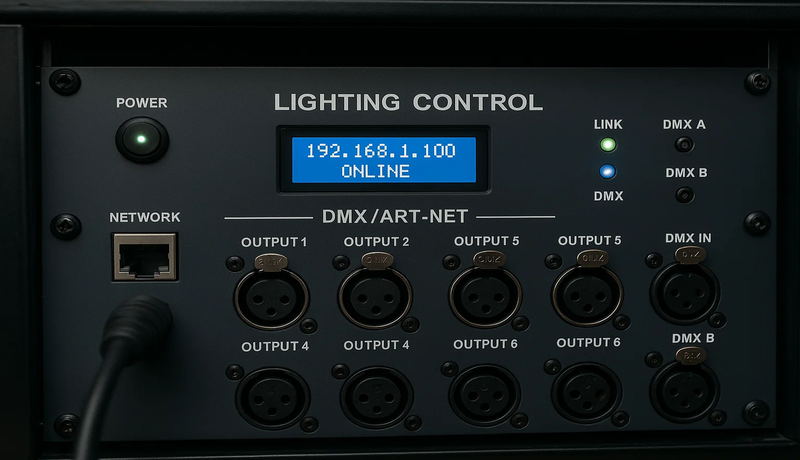
Once lighting fixtures are installed, testing is essential. Testing verifies that mapped effects align perfectly with the façade. It makes sure that movement and timing are consistent across all lighting fixtures.
Calibration involves improving brightness, color consistency, and timing for different angles. So that viewers experience smoothness and uniformity across angles. With these adjustments, façade works precisely as planned.
Calibration maintains visual quality over time, and the light falls only on the intended surface. High-lumen projectors then display the content. It turns the façade into a moving visual show that can sync with sound or music.
Practical Considerations
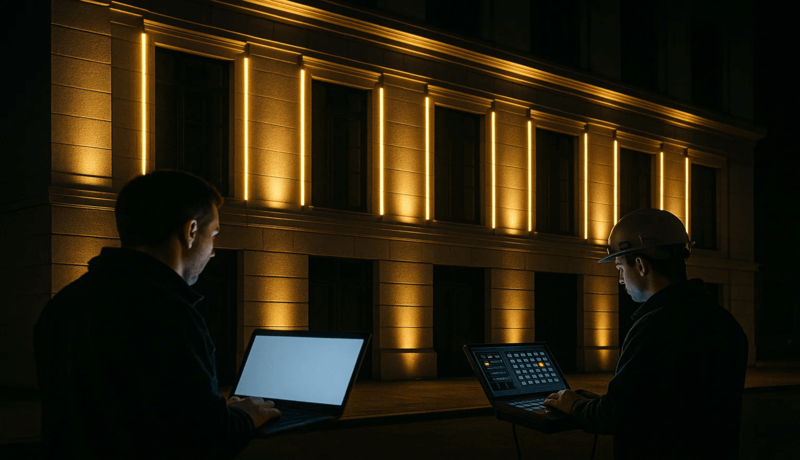
Designing a dynamic façade system is not just about creative ideas. It depends on choosing the right hardware and planning electrical pathways. The goal should be to keep the system performing reliably over time.
Fixture Selection
The right lighting fixture selection will help make an exterior lighting design stable. LED pixel nodes and RGB or RGBW fixtures are commonly used. They provide precise color control and smooth dimming, which is needed for dynamic lighting.
These systems operate in outdoor lighting conditions. So the fixtures should be weatherproof and UV-resistant. They also need to be durable for long-term use. In this way, they can handle rain, heat, dust, and long operating periods.
Electrical and Control Planning
A dynamic façade only works well if the electrical and control layout is planned with care. This includes providing a high level of power distribution and cabling. So the fixtures can perform for a long time with no voltage drop.
Network-based systems using DMX, Art-Net, or similar controllers keep all fixtures synchronized. This maintains smooth and accurate lighting effects. So the patterns can move smoothly across the building without disrupting any color or blur.
Maintenance and Updates
After installation, regular maintenance keeps the facade lighting consistent and reliable. Software updates make it easier to create patterns, scenes, and other effects. No need to modify the hardware.
Periodic cleaning and visual inspections help keep colors consistent. It removes dust or debris from the fixture, and the fixture performs exactly as intended.
Conclusion
Dynamic façade lighting uses three main techniques. These include color-chasing, pixel segmentation, and precise mapping. Each technique adds movement, control, and clarity to the exterior of the building. They transform a static object into a responsive display.
By using simulations, 3D mapping, and calibrated LED systems, the effects can be aligned with the façade. The right tools and programming deliver a strong visual impact. So it enhances energy efficiency and architectural detail.
Ready to Bring Life to Your Façade?
We at RC Lighting deliver high-quality, programmable façade lighting systems. Each fixture is designed for accuracy, durability, and creative freedom. Our team can help you select the right fixtures. We can also plan control layouts and create smooth, dynamic lighting effects for any building.
Contact us now to benefit from our expertise. See how advanced lighting systems can transform your project.
Frequently Asked Questions (FAQ)
Q1: What is dynamic façade lighting, and how does it differ from static lighting?
Dynamic façade lighting uses moving colors, timed effects, and programmable LED controls. Static lighting always remains the same. It does not change color, saturation, or pattern. Dynamic systems provide motion and variation. It makes the building look more playful at night.
Q2: How does pixel segmentation enhance façade lighting design?
Pixel segmentation improves façade lighting by giving control over every single LED. Each point on the building can change color, brightness, and timing. This creates smoother patterns, clearer animations, and more detailed effects. The entire façade works together like one coordinated display, keeping energy use efficient.
Q3: What software and controllers are commonly used for color-chasing effects?
Most systems have DMX, Art-Net, or manufacturer-specific control systems. Designers use these together with pre-visualization software to test color-chasing effects before installation. The timing is adjusted during installation.