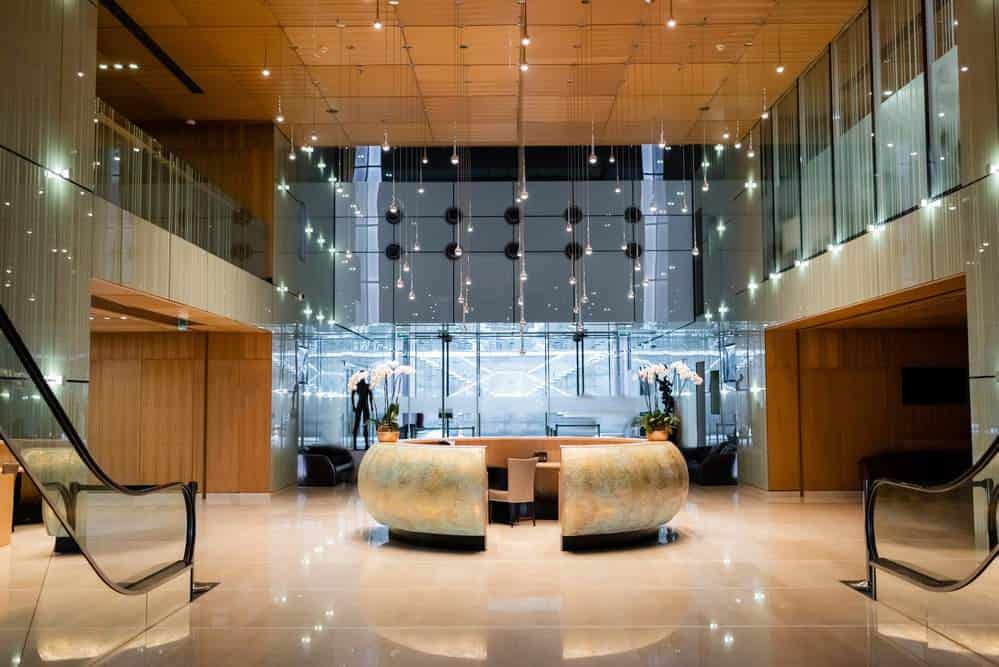
Good lighting and hospitality go hand in hand. Hotels must spend much time and money on good lighting design to achieve guest comfort and satisfaction. While lighting yields positive results, it also comes with hefty environmental costs. Sustainable lighting is not just a fad anymore but a core part of any modern business.
This article covers the importance of sustainable lighting solutions and the approach hotels can take toward sustainability.
How Traditional Lighting is Destroying the Planet
Traditional lighting solutions run hot, die quickly, and are a hassle to recycle. Whatever cost benefits they provide are immediately overshadowed by their maintenance and replacement costs.
Massive Energy Waste and Excess Heat
Over 90% of the energy used by traditional lighting like incandescent bulbs turns into waste heat. Since hotels use a lot of energy to light their interiors, this becomes a serious problem.
In effect, hotel owners are indirectly heating their buildings with outdated lighting. This might help on cold winter days, but in summer, hotels waste even more energy running their cooling systems to offset that heat.
Short Lifespan and Fragile Design
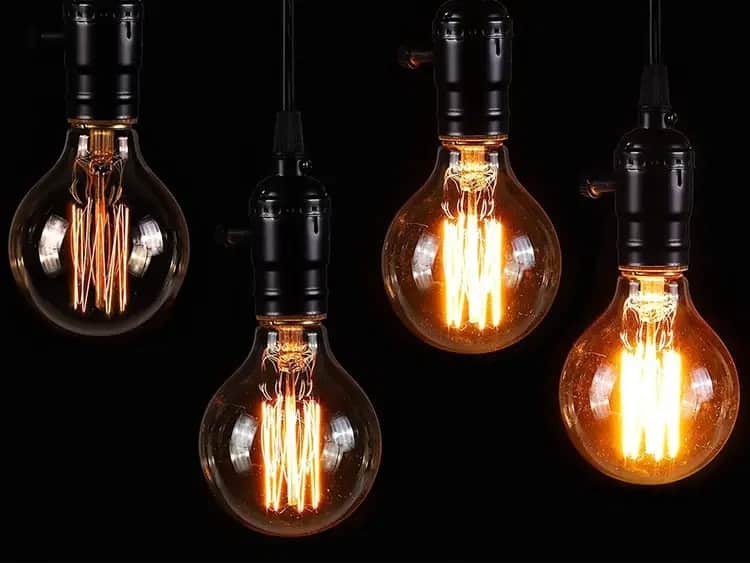
Traditional bulbs are inefficient and fragile because they rely on vacuum-sealed glass enclosures. Most incandescent or halogen bulbs need replacing after less than a year of use.
Landfill Waste from Constant Replacement
A typical 100-room hotel deploys over 1000 light bulbs. Every year, those bulbs are replaced and the old ones end up in landfills. Between excess heat and material waste, the environmental impact of traditional lighting takes a real toll on the planet.
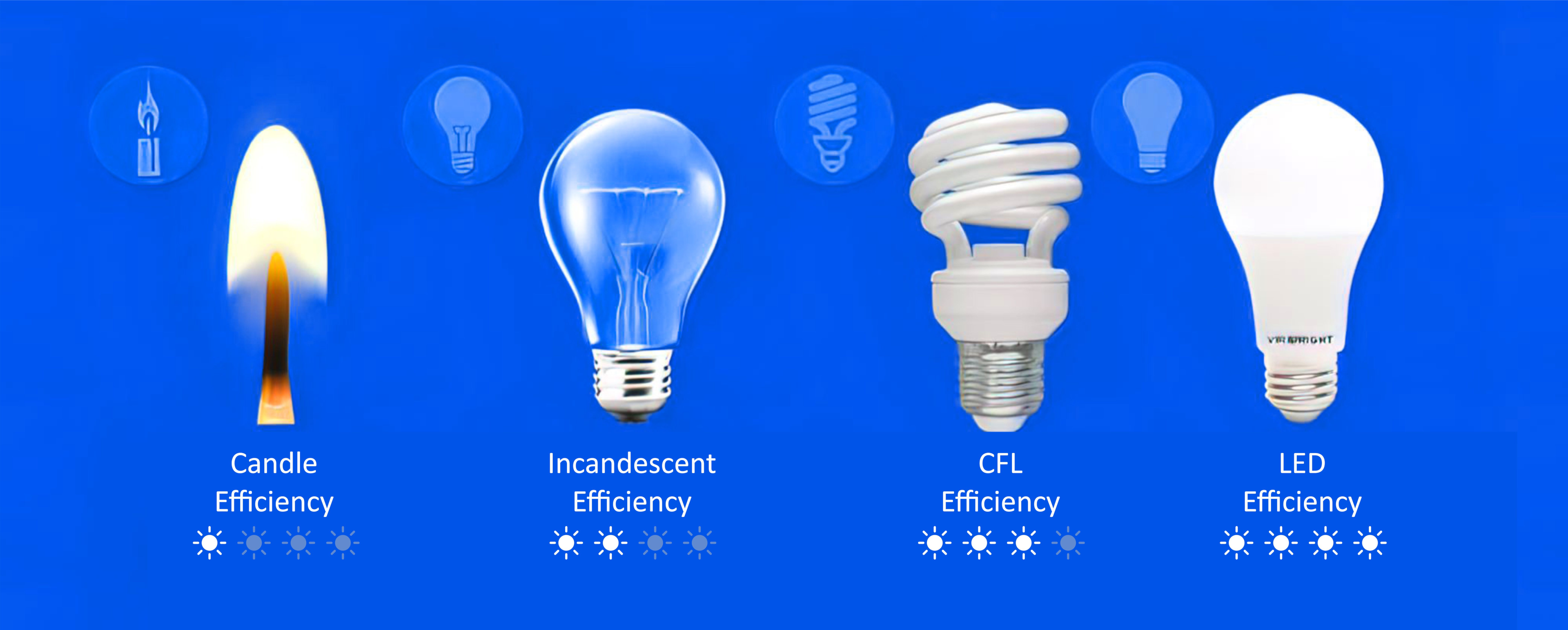
The impact is significant enough that, as of April 2023, the US Department of Energy committed to phasing out inefficient light bulbs. The move pushes consumers toward CFLs and LEDs and is expected to save around $3 billion annually on nationwide utility bills.
Benefits of Sustainable Lighting Solutions
Sustainability goals like reduced energy consumption through energy-efficient bulbs are a necessity in today’s world. Even small changes to hotel lighting habits can result in significant benefits for consumers and the planet as a whole.
Smaller Carbon Footprint
Energy-efficient lighting solutions have an immediate and measurable impact on your overall carbon footprint. When hotels switch from older incandescent or halogen bulbs to energy-saving LEDs, they can see an 80 to 90% reduction in lighting energy consumption. The lumens stay the same and the light quality stays the same, while the power consumption can drop significantly.
Consider a mid-sized hotel that replaces the halogen downlights in its lobby, corridors, and restaurant. Because each 50W halogen is swapped for a 7W LED equivalent, every fixture draws roughly 85% less power. At the same time, the warm and inviting glow that guests expect stays exactly the same.
These small per-fixture savings add up quickly. Since hundreds of fixtures often run late into the night, the reduced power draw translates into thousands of dollars off the annual energy bill and a noticeably lighter carbon footprint. Best of all, guests never notice any difference in the ambiance.
Lower Electricity Costs
Of course, with lower power consumption comes lower electricity bills. Hotels spend a huge amount of money each year on electricity costs. Guests expect a certain ambiance and atmosphere from the hospitality sector; good lighting is a big part.
Since hotels can’t reduce the number of light bulbs, they can instead deploy efficient LED lights and save energy.
Lower Cooling Costs
One overlooked aspect of high energy efficiency is the cooling benefits. High-power devices waste energy as heat, which demands a high-power cooling system for the hotel.
The carbon footprint of traditional lighting is doubled when you look at its indirect costs. If we stick to the example of 1000 bulbs per hotel. At standard 800 lumens per bulb, incandescent bulbs use 60kW of power. 90% of which (50kW) turns into waste heat.
Your HVAC (heating and cooling systems) are working extra hard to remove 50kW of heat. If the same hotel were instead running on LED bulbs, the waste heat would be less than 5kW.
Versatile Lighting Design
Even if we ignore the energy costs and the fragile design of traditional light bulbs, we are still stuck with their awkward shape and size. Modern sustainable lighting solutions like LEDs are compact and efficient and come in all sizes and shapes.
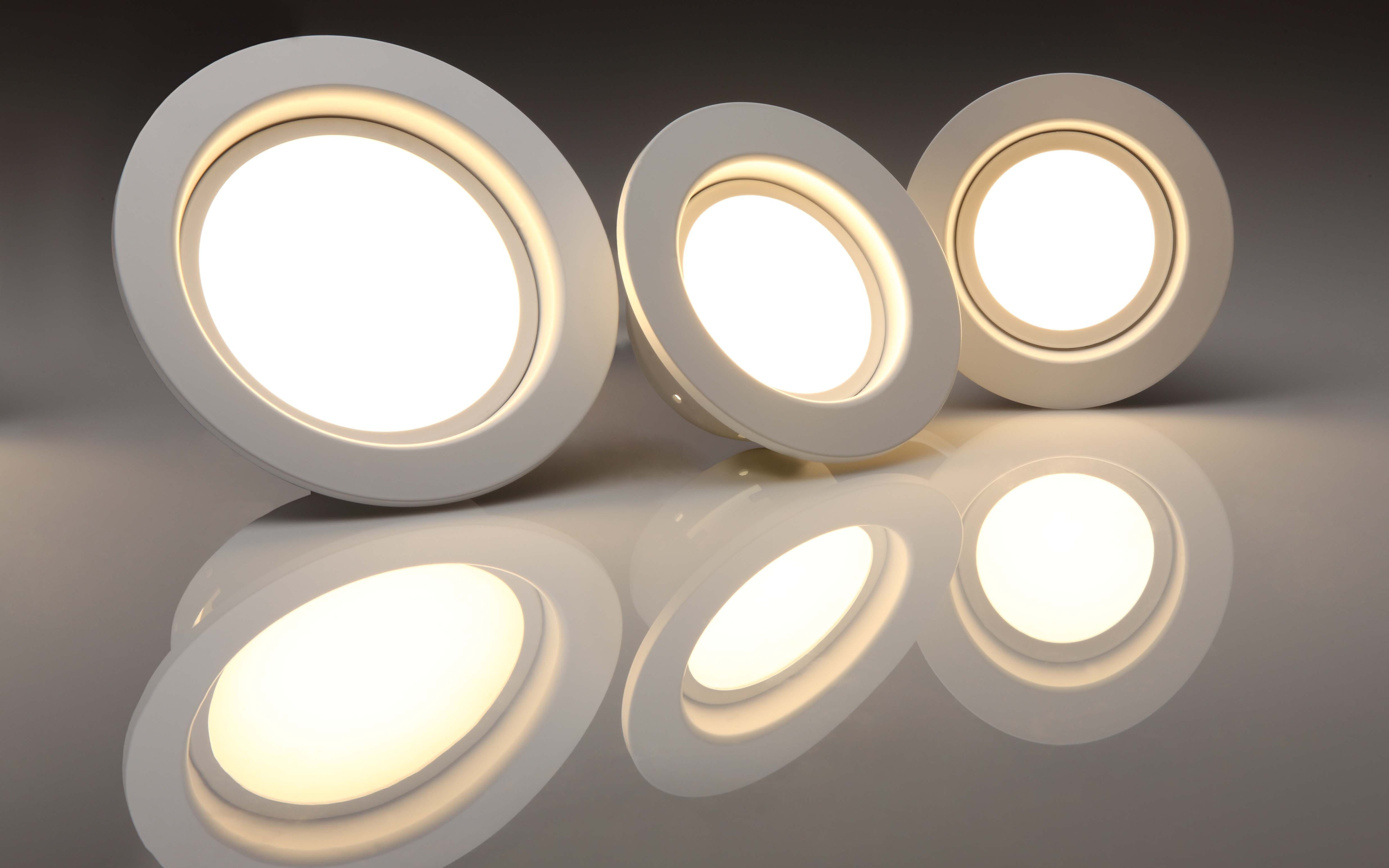
LED lights allow unique and versatile lighting solutions, such as slim strip lights, hidden recessed ceiling fixtures, durable and waterproof floodlights, and even addressable RGB options.
Types of Sustainable Lighting Solutions for Hotels
We have established the dangerous side effects of traditional lighting and the benefits of sustainable lighting design. Let’s talk about the kinds of lighting-related sustainability solutions hotels can implement.
1 – Efficient LED Lighting
This one is a no-brainer. LED lighting is too beneficial for it to be not included in any 21st-century hotel. Sure, it can be a bit more expensive as an initial investment, but you will recover all that and more due to the impressive energy savings and longer lifespan.
2 – Natural Lighting
Natural light is the most cost-effective means of lighting your hotel interior. During the day, you can shift to almost exclusively relying on sunlight to illuminate your hotel rooms and lobby.
The only caveat here is that natural light requires an open floor style so that light can bounce throughout the hotel interior without restrictions. Large windows and wide-open halls are a must for natural lighting.
Additionally, you will need shades and thick curtains to block the sunlight if it gets too warm. There is no point in saving energy on light bulbs if you spend twice that on cooling costs.
It’s a tough balancing act that will have a massive sustainability impact.
3 – Smart Lighting Controls
Modern technology has allowed various smart lighting controls to maximize lighting efficiency. Lighting control systems allow businesses to schedule light bulb operational timings, control light bulbs remotely, and assess the lighting requirements per room.
Solutions Like DALI Lighting Control provide hotels with finer control over their lighting systems.
4 – Dimmable LEDs
Dimmable light bulbs are a small but noticeable contributor to a hotel’s appeal. Sometimes, hotel guests want some light in their rooms, but not a lot.
Traditional lighting solutions rely on using several smaller light bulbs and making the guests selectively turn off the undesired ones until an acceptable brightness level is achieved.
Dimmable LEDs offer a one-click solution brightness control. Guests can now control the entire room’s brightness using one switch. Dimming options increase guest convenience, reduce hotel lighting costs, and offer a more sustainable lighting solution.
5 – Motion Sensors
Motion sensors are a quick way to control the uptime of your light bulbs. Attach a set of motion sensors (also called occupancy sensors) to the hall lights; they will only turn on when a person enters the hall.
Almost all sections of the building accessible by hotel staff can benefit from motion sensor-controlled lighting systems.
6 – Solar Powered Lighting
Solar power is another green lighting solution with a massive impact. It’s similar to using natural light, except you are storing all that energy and selectively using it at a later time.
The biggest benefit of solar power is its versatility. You are not limited to using it for lighting; excess energy can be directed towards other aspects of your hotel or stored at night.
Combine the renewable energy of solar panels with the energy efficiency of LED bulbs, and you are looking at massive cost savings.
The only drawbacks are the higher upfront installation cost and the occasional maintenance requirements.
7 – Paint the Walls a Lighter Color
We have discussed solar panels, occupancy sensors, and LED bulbs. All of these are excellent solutions but require some upfront cost.
However, white paint is an inexpensive means of increasing room lighting efficiency. Light colors reflect light and create a brighter surrounding. Hotels can further reduce their energy use by painting rooms a lighter color.
8 – Strategic Lamp Placement
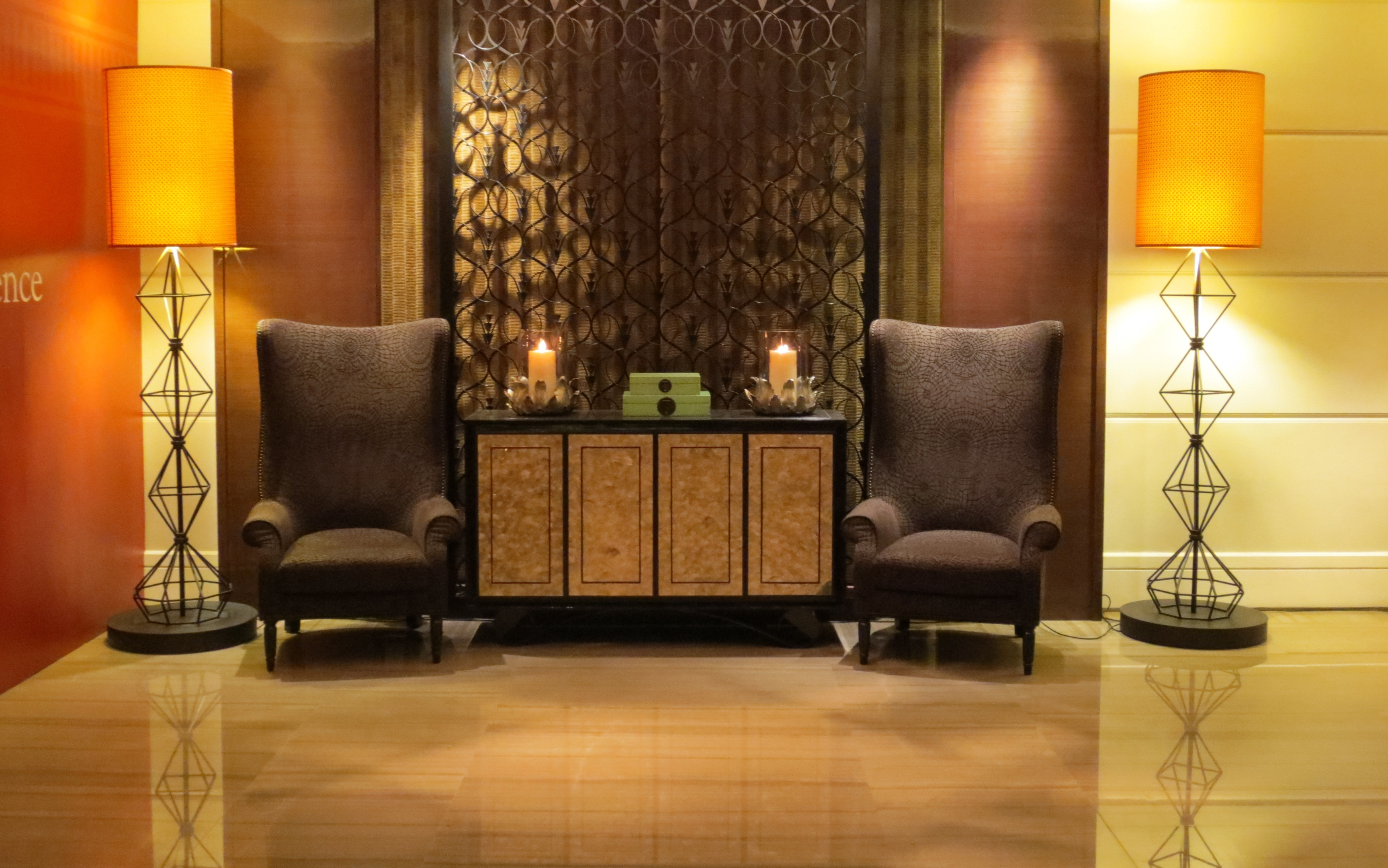
Another low-cost method of reducing energy usage is strategic lighting placement. Place movable light fixtures (lamps) in select areas around your hotel to save energy.
Lamps help create distinct and comforting mood lighting. They are also compact, energy-efficient fixtures that can be oriented according to guest requirements.
Instead of covering an entire room with a bright light bulb, a compact, low-energy lamp can provide selective illumination for tasks like reading or dining.
Green Lighting Certifications and How to Meet Them
Cutting energy use is only half the story. Guests and corporate travel bookers increasingly want proof that a hotel genuinely meets recognized sustainability standards. Green certifications turn your lighting upgrades into a real marketing asset and support your ESG reporting.
Three matter most for hotels:
- ENERGY STAR – EPA-backed label on efficient products; a quick guarantee of real savings.
- DLC (DesignLights Consortium) – for commercial LEDs; often required for utility rebates.
- LEED – a building-level rating; efficient lighting earns points you can promote to guests.
How to qualify:
- Buy pre-certified products – choose ENERGY STAR labeled or DLC-listed fixtures so you inherit their compliance.
- Check the specs – confirm efficacy (lm/W), CRI, and lifespan on the datasheet before buying.
- Keep records for LEED – document old fixtures, replacements, and energy savings as proof.
- Apply for rebates – many utilities reward DLC-listed fixtures, cutting your upfront cost.
- Ask your supplier early – a good supplier confirms certifications and provides the listing numbers you need.
Challenges and Considerations for Sustainable Lighting
Sustainable lighting systems can certainly reduce energy consumption. However, the biggest hurdle for any hotel is the initial investment cost. Most sustainable solutions require serious renovations and remodeling.
Thus, it is recommended that hotel owners make smaller changes first. Wall repainting is a regular part of hotel maintenance; painting walls a lighter color should be the first step.
Your next step should be to replace existing incandescent and halogen bulbs with LED bulbs. No additional wiring is needed, and this process can be done gradually over time.
Another common challenge is that a hotel is not a single lighting environment but many. Installing the same fixtures everywhere wastes energy and hurts guest comfort. The most effective sustainable lighting strategies plan zone by zone instead.
Guest rooms need warm, dimmable LEDs (around 2700K) with occupancy sensors tied to the key card. Lobbies benefit from layered ambient and accent lighting, since their long operating hours deliver the fastest savings.
Corridors and stairwells, lit around the clock but rarely used, are ideal for motion sensors and dimming schedules. Ballrooms need tunable, dimmable systems that shift from conference to reception settings.
Parking areas and outdoor landscapes call for weather-rated LED floodlights paired with photocells or timers, so they run only after dark.
If you are unsure about energy management and sustainable lighting, always seek advice from contractors and lighting professionals.
Frequently Asked Questions
How much does it cost to switch a hotel to sustainable LED lighting, and how long until it pays off?
Costs vary by hotel size, but most properties recover their investment within 1 to 3 years. A single LED downlight may cost more upfront than a halogen bulb, yet it uses up to 85% less power and lasts far longer. When you multiply those savings across hundreds of fixtures running late into the night, the payback period shrinks quickly. Utility rebates and reduced maintenance labor can shorten it even further. For a clearer estimate, ask your supplier for a lumen-for-lumen comparison and a projected annual energy savings figure before you commit.
Can a hotel upgrade to sustainable lighting without a full renovation?
Yes. Most hotels can switch to LED gradually without rewiring. Standard incandescent and halogen bulbs can be replaced with LED equivalents that fit the same sockets and fixtures, so you can upgrade room by room or floor by floor. Larger changes, like adding smart controls, DALI systems, or solar power, require more planning and professional installation. A common approach is to start with simple bulb swaps and lighter wall colors, then phase in sensors and controls during regular maintenance cycles to spread out the cost and keep guest disruption to a minimum.
Does sustainable hotel lighting actually improve guest satisfaction, or just cut costs?
It does both. Guests rarely notice energy savings directly, but they do notice comfort. Dimmable, well-zoned LED lighting lets guests set the mood in their rooms, while warm, layered lighting in lobbies and restaurants feels welcoming rather than harsh. Sustainable lighting also removes the flickering, buzzing, and uneven brightness common with aging traditional bulbs. On top of that, a growing number of travelers and corporate booking teams actively choose eco-certified hotels, so visible sustainability efforts can become a genuine booking advantage rather than just a back-office saving.
Do sustainable lighting upgrades qualify for rebates, incentives, or ESG reporting?
Often, yes. Many utility companies offer rebates for DLC-listed commercial LED fixtures, which reduce your upfront cost significantly, and some regions provide energy-efficiency tax deductions or grants for qualifying upgrades. Beyond financial incentives, documented lighting improvements support ESG reporting and green certifications like LEED, giving you measurable proof of reduced energy use and emissions. To benefit, choose ENERGY STAR labeled or DLC-listed products, keep records of old and new fixtures, and ask your supplier for the certification listing numbers before purchasing.
Conclusion
Traditional lighting was once an excellent option for hotels to elevate their interior space with mood lighting. But as our energy needs have grown, traditional light bulbs have been unable to keep up. Sustainable lighting solutions not only save energy for hotel owners but also reduce our overall carbon footprint. It’s a win-win situation and comes with huge benefits for businesses.
Discover Sustainable Lighting Solutions with RC Lighting
RC Lighting has been pushing for a decade for sustainable, efficient, and reliable LED lighting solutions.
Our diverse catalog contains high-quality premium lighting products that are ISO, CE, RoHS, and UL/ETL certified.
We offer all manner of hotel lighting solutions like LED recessed downlights, track lights, spotlights, and more.
Take the sustainability bull by the horns and get started with RC Lighting. Contact us Now!