Planning the lighting for a hotel involves far more than picking fixtures that look good in a showroom. From the style you choose to the way daylight moves through each room, every decision affects how guests feel, how safe they are, and how much you spend running the building for years.
In this guide, we’ll walk through the key elements of hotel lighting design, how lighting shapes hospitality and ambiance, the advantages of switching to LED, and why working with a lighting designer pays off on large projects. Let’s explore how to light your hotel the right way.
Importance of Lighting in Hotels
Lighting is one of the most underrated decisions in hotel design, yet it shapes almost every part of the guest experience. Before a guest reads a review or tests the mattress, they form a first impression the moment they walk into your lobby — and lighting drives that impression more than most owners realize.
Good lighting also affects comfort, safety, and cost. Warm, well-layered light helps guests relax and sleep better, while proper illumination in corridors and stairwells keeps them safe and reduces liability. The fixtures you choose on day one also determine your energy bills and maintenance costs for years to come.
In short, lighting isn’t a finishing touch you add at the end. It’s a foundational design decision that influences how guests feel, how safe they are, and ultimately, how likely they are to return.
Key Elements of Hotel Lighting Design
Lighting design dictates the theme and style of your hotel. It is the base on top of which your hotel aesthetic is built. Considering the key elements should be given extra care as the first step of your hotel lighting journey.
Hotel Lighting Style
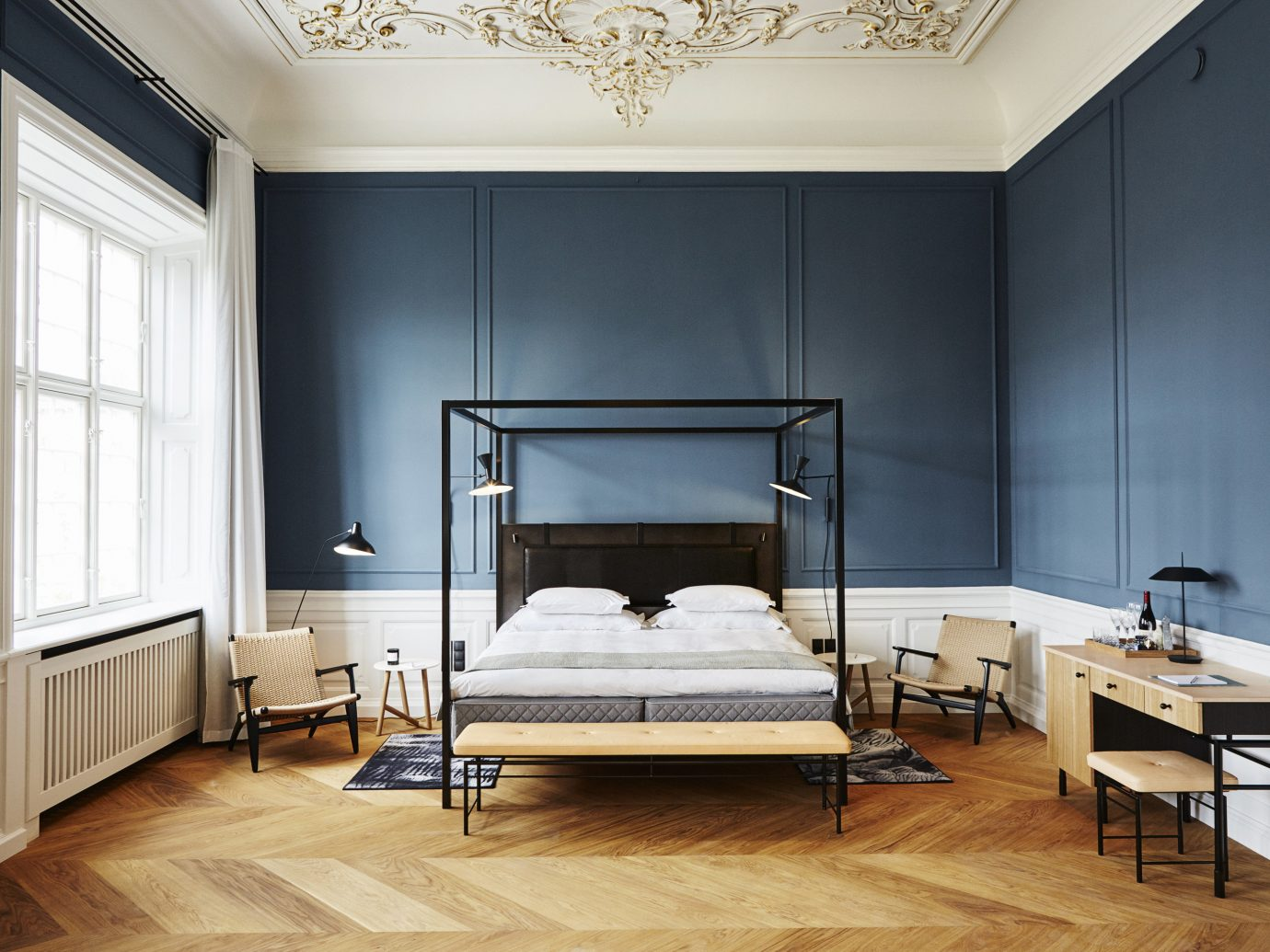
Hotels are blank canvases, ready for you to paint your masterpiece. But first, you need to figure out your preferred hotel style. Different hotel styles require different lighting approaches. Extensive planning is always the first step in any project, and hotel lighting is no different.
A Scandinavian approach to hotel styling will benefit from minimal artificial light. While an industrial hotel look will need lots of warm lights to encourage warmth and complement brick walls. The above-chosen lighting scenarios are a mere glimpse into the world of hotel design. Lighting design is an essential part of hotel design, and the two can have near endless style options.
Noting showcases the importance of lighting better than a well-thought-out hotel style matched with good lighting. Inconsistent lighting will create a jarring uncanny look for your hotel. Pick a lighting design that best matches your hotel style and theme.
Light Fixtures
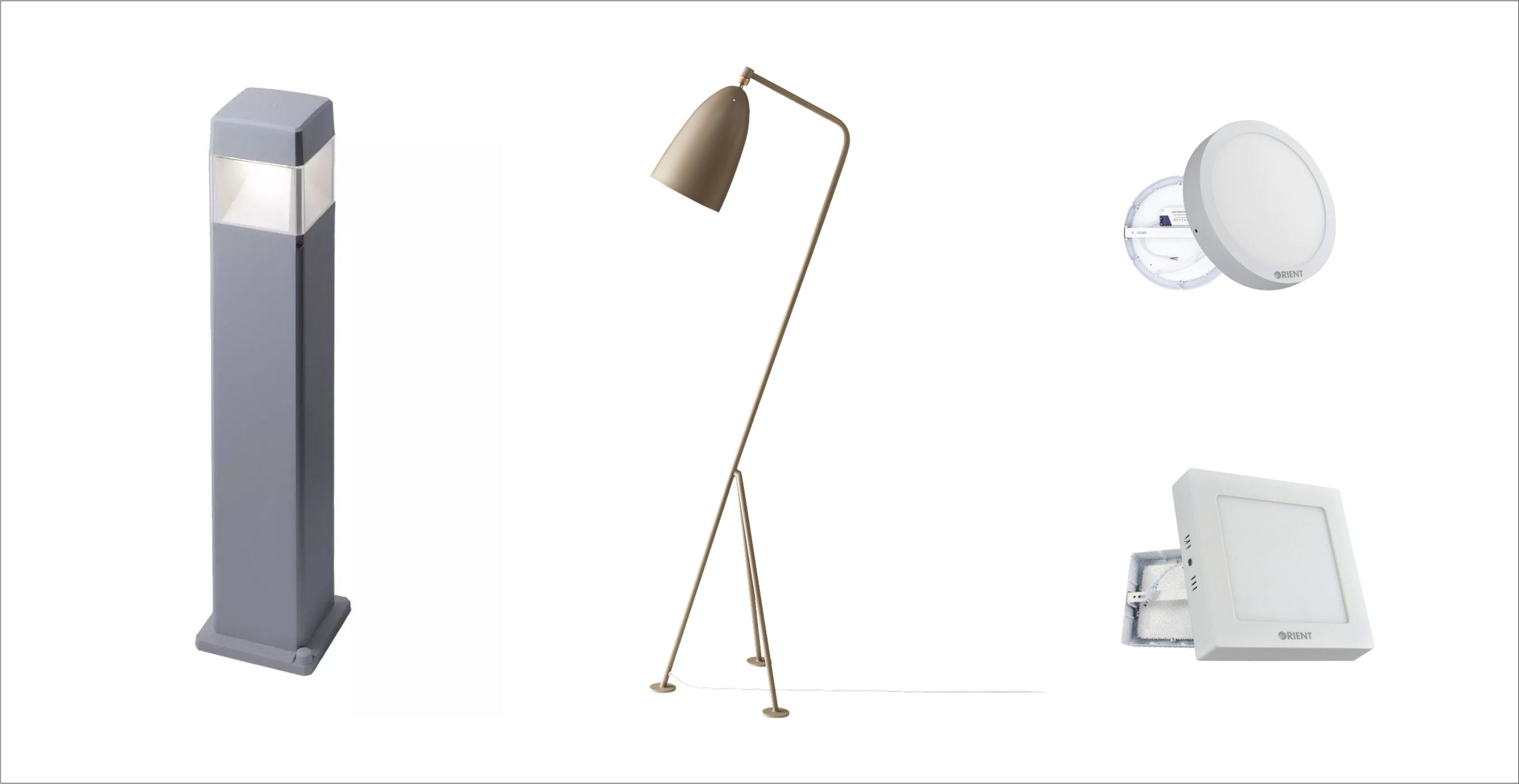
Light bulbs are tools used to illuminate a hotel space. But their enclosure defines the light’s direction, throw, and intensity. Together a light bulb and an enclosure make up a light fixture. Light fixtures have two critical roles in your hotel’s lighting design, form factor and aesthetic.
Lighting fixtures come in various shapes and sizes, ranging from slim and compact to big and bold. These form factors allow you to take full advantage of lighting design and deploy lights in the optimal locations. Low-profile fixtures are best suited for recessed ceiling lighting, where they will be barely noticeable and won’t conflict with your hotel design.
On the other hand, you can pick decorative lighting fixtures that are in line with your hotel style and incorporate them into the theme. Lighting fixtures are both tools of illumination and stylish design elements. Floor lamps are a simple and easy way to incorporate visually intriguing elements into your hotels.
Architecture
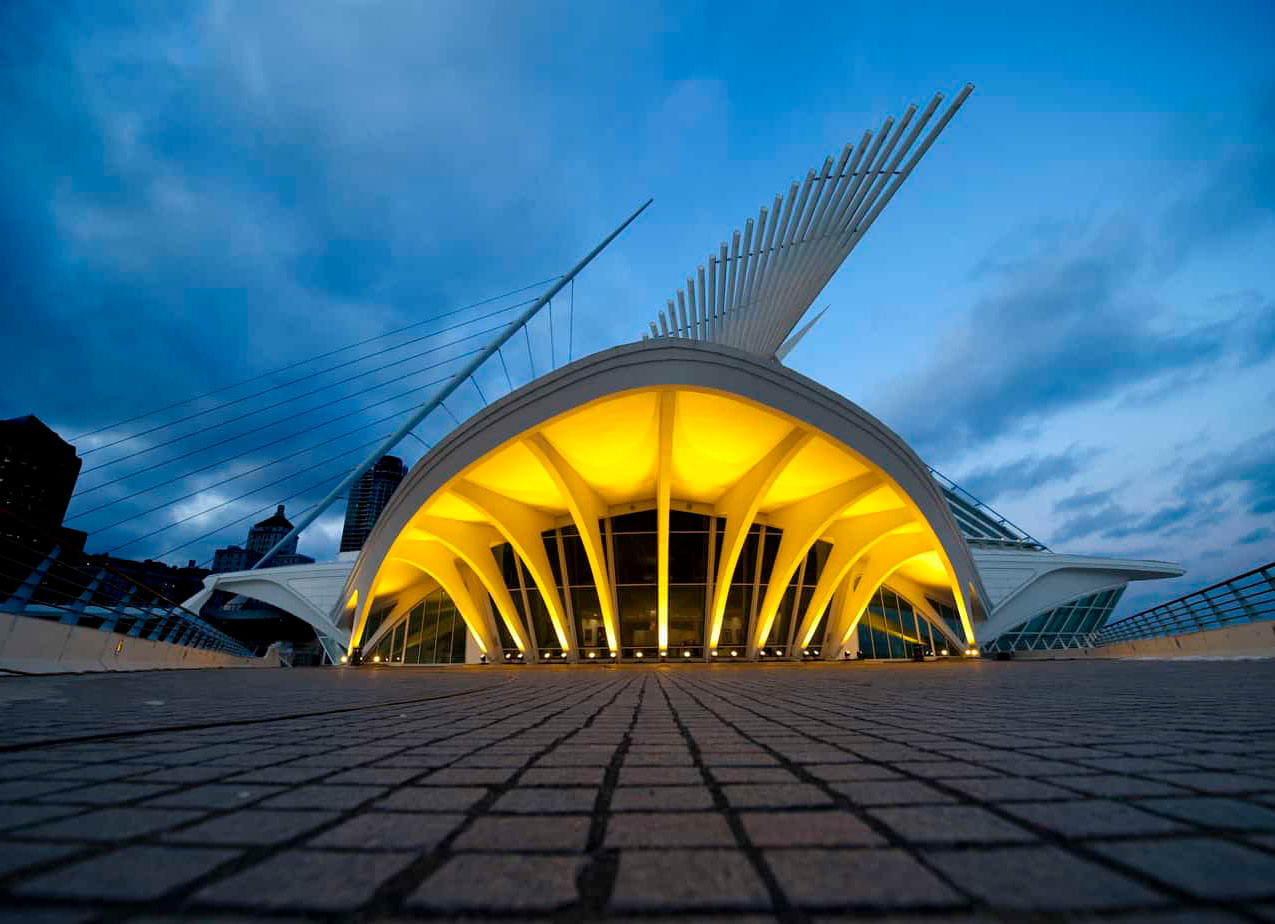
Architectural facade lighting design is a unique mash-up of engineering, psychology, and art. Lighting design aims to create a well-lit environment and boost visual clarity. But science tells us that well-lit spaces are not enough, and we need something more artistic to enhance the guest’s mood and comfort.
Architecture lighting designers are constantly focused on finding the balance between scientific and artistic approaches to lighting. It is important to properly integrate lighting fixtures into the architecture of your hotel for a clean look and good guest experience.
Choose the optimal architecture anchors for a proper lighting setup to fix your lighting fixtures.
Natural Light
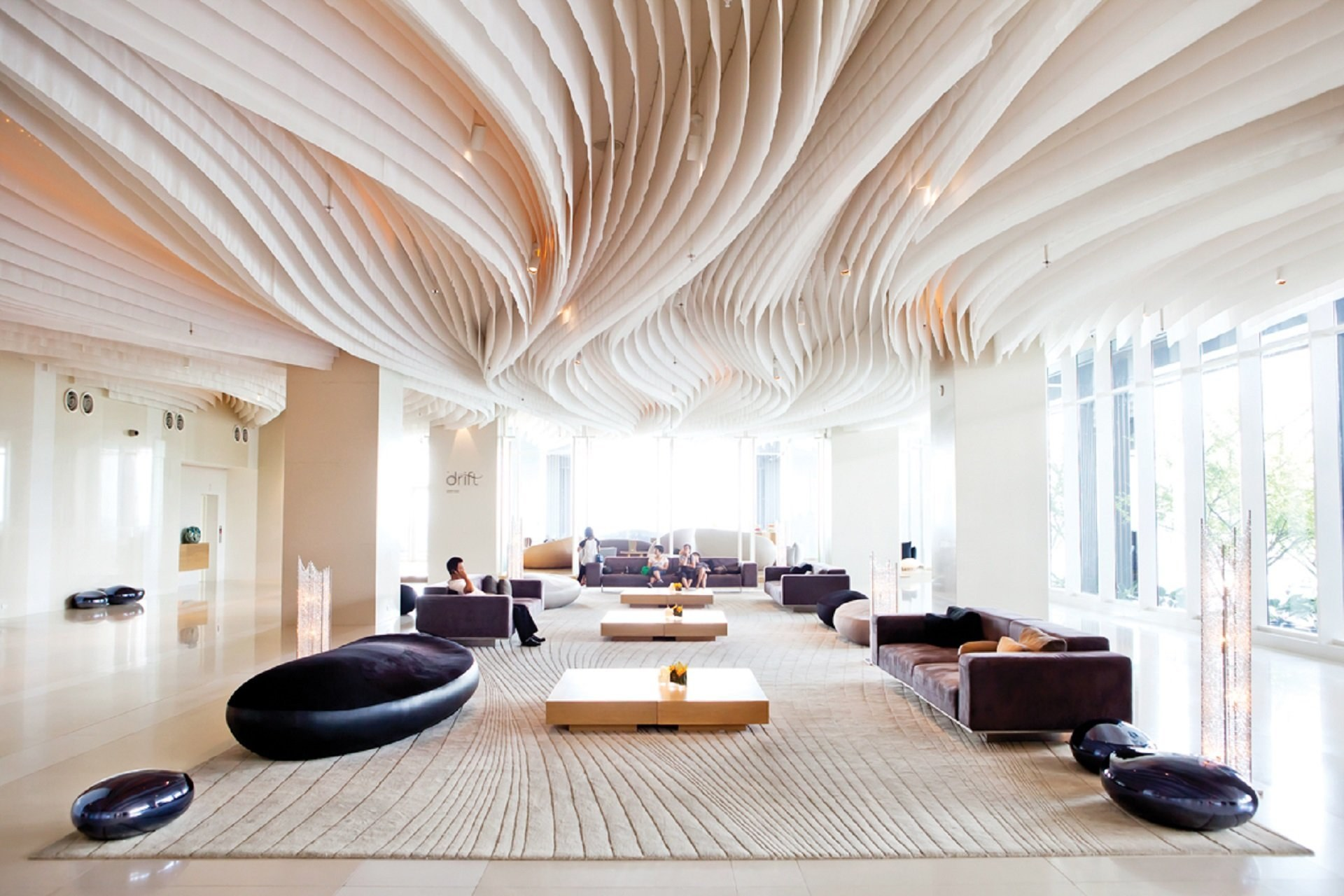
Good hotel lighting design doesn’t start with picking fixtures. It starts with how you plan around the natural light you already have. Daylight is the baseline your artificial lighting has to work with, not fight against. So when you plan a lighting scheme, you really need to look at how sunlight moves through each space during the day, which windows face which direction, and how that shifting light plays off your fixtures.
This matters more than most people think, because daylight has a real effect on how guests feel.
Exposure to natural light supports healthy sleep cycles and helps reduce stress, and a growing body of research links regular sunlight to better overall wellbeing. A Swedish team conducted a 15-year study on over 38,000 women and found that UV from sunlight is associated with longer life spans.
For someone staying in your rooms, access to daylight isn’t a minor detail. It shapes how rested and comfortable they feel by the end of their stay.
From a design point of view, natural light also helps you avoid over lighting a space. Rooms that get strong sun during the day simply need less artificial light while the sun is up. That’s why your lighting plan should stay flexible. Dimmable fixtures, zoned controls, and layered lighting let you balance daylight and LED output as conditions change.
One mistake we see often is signing off on lighting with the curtains closed, tuning everything to the nighttime look. Come daytime the color temperatures clash and the space looks gray and flat, so we always verify both daytime and nighttime conditions and zone the fixtures by how daylight enters the room.
The payoff works both ways. Guests get a brighter, healthier, more natural environment, and you cut down on daytime energy use. Placing windows, skylights, and glazing thoughtfully across lobbies, common areas, and rooms is a modest investment that keeps paying off in both guest experience and long term operating cost.
How Lighting Shapes Hotel Hospitality
Hospitality is a crucial pillar for the success of a hotel. It is no surprise that guests will revisit hotels that put more effort and care into hospitality. But there are more than a few ways to increase the favorability of your hotel, and one such way is atmospheric hospitality lighting.
A lighting designer can help guide you in selecting the right light for a given area to boost the overall hospitality of your hotel.
Hotel Ambiance
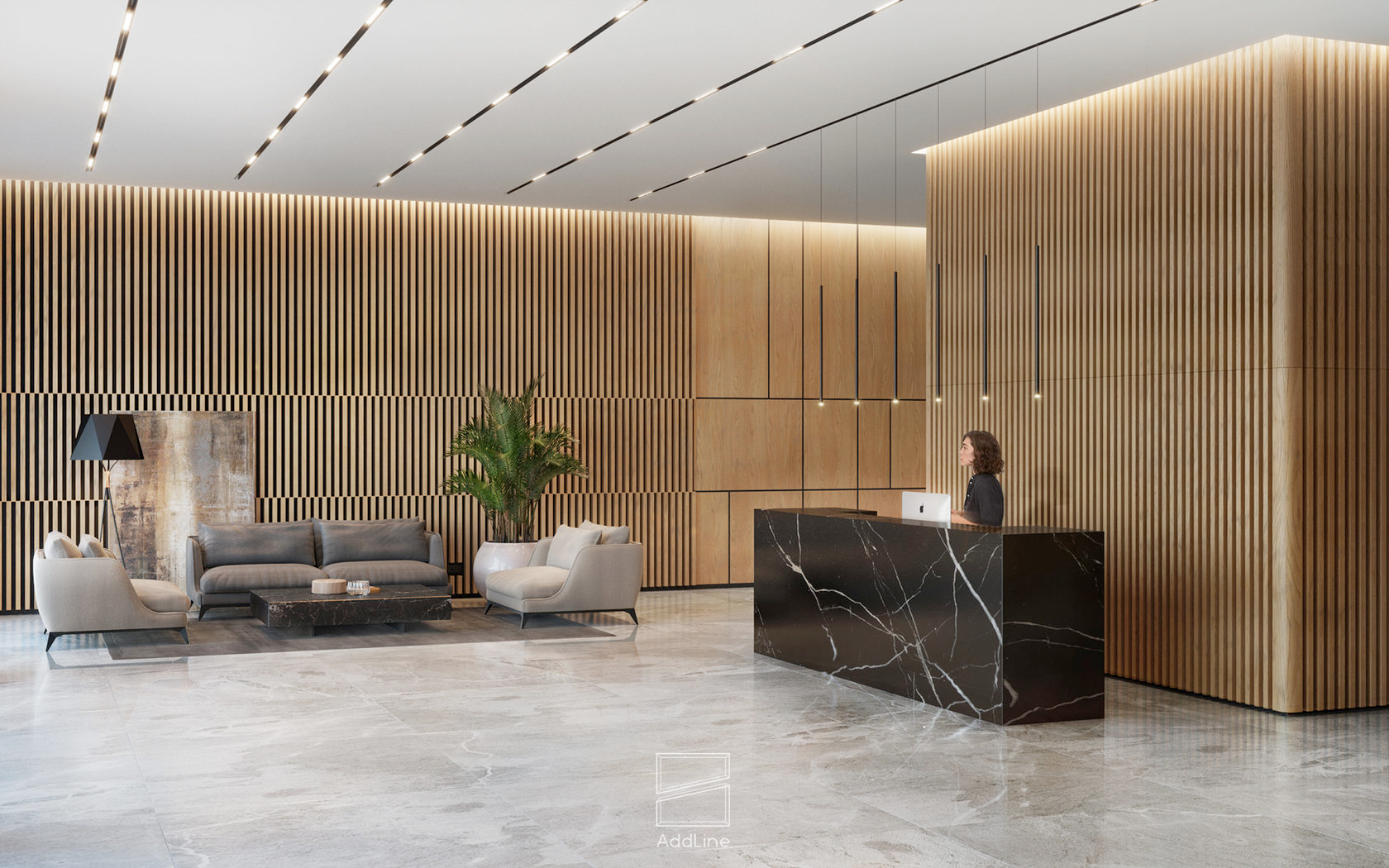
The ambiance is the intangible measure of comfortability of a place. A good ambiance builds a hotel’s character and vibe, making it more alluring to guests. Common examples of good ambiance are a well-lit lobby with directional warm lighting from floor lamps.
Color plays a vital role in our perception of place. Excellent lighting results in a focused and energetic mood, which is best suited for office environments. In contrast, warm lighting results in a cozy and relaxed environment, hence its prominent use in the hotel and restaurant industry.
Mood Lighting
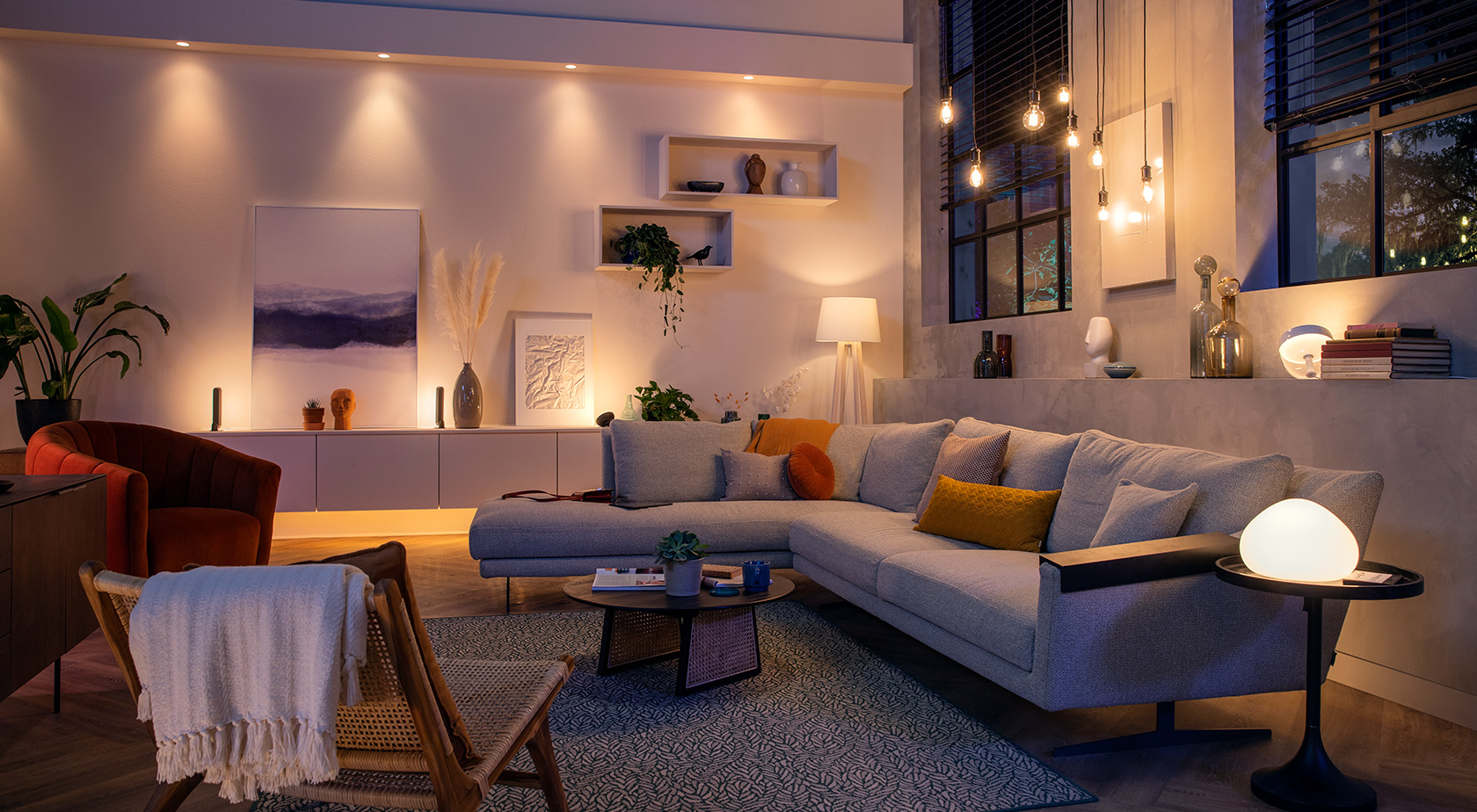
Mood lighting is more art than science, a complex balance of color, brightness, and location. Proper hotel lighting should make the guests feel comfortable and at home. Your guests should treat the hotel as a reliable and trustworthy location where they can relax and enjoy their holidays.
Mood lighting will significantly change from location to location. Hotel room lighting design is very different from pool or lobby lighting design. Special care should be taken to ensure even and consistent lighting conditions for all areas of your hotel.
- Hotel lobbies should have a well-lit, warm greeting feeling that can be achieved with a brightly lit environment.
- A Hotel room should have a low-intensity lighting design that won’t irritate guests’ eyes.
- Dining areas should have low directional lighting pointing towards each table.
Spa and pool areas rely on soft, indirect light to build a calm, escape-from-the-world mood, while corridors need gentle, consistent lighting so the relaxed feeling never breaks as guests move between spaces. Dimmable fixtures keep that atmosphere alive around the clock, letting staff soften or lift the mood as daylight and the seasons change.
Safety
As any good lighting designer will tell you, guest safety is critical in any commercial building construction. While we view safety in terms of proper emergency exits and well-placed fire extinguishers. Nighttime safety comes in the form of good hotel lighting design. Guests should be able to easily view their surroundings to avoid accidents.
Choosing the proper lighting for hotels is a little more complicated than selecting the most bright white lighting fixtures. You need to pick lights that provide decent ambient lighting with little to no glare. Outdoor spaces, like pools and gardens, should specifically adhere to safety standards. A diffused soft light is generally the best solution for improved safety and visibility.
Advantages of LED Lighting
Your hotel lighting design should be efficient, flexible, and easy to implement. Integrate lighting solutions into your designs that serve all these purposes. Incandescent bulbs have charm but lack the benefits of LED lighting design.
Energy Efficiency
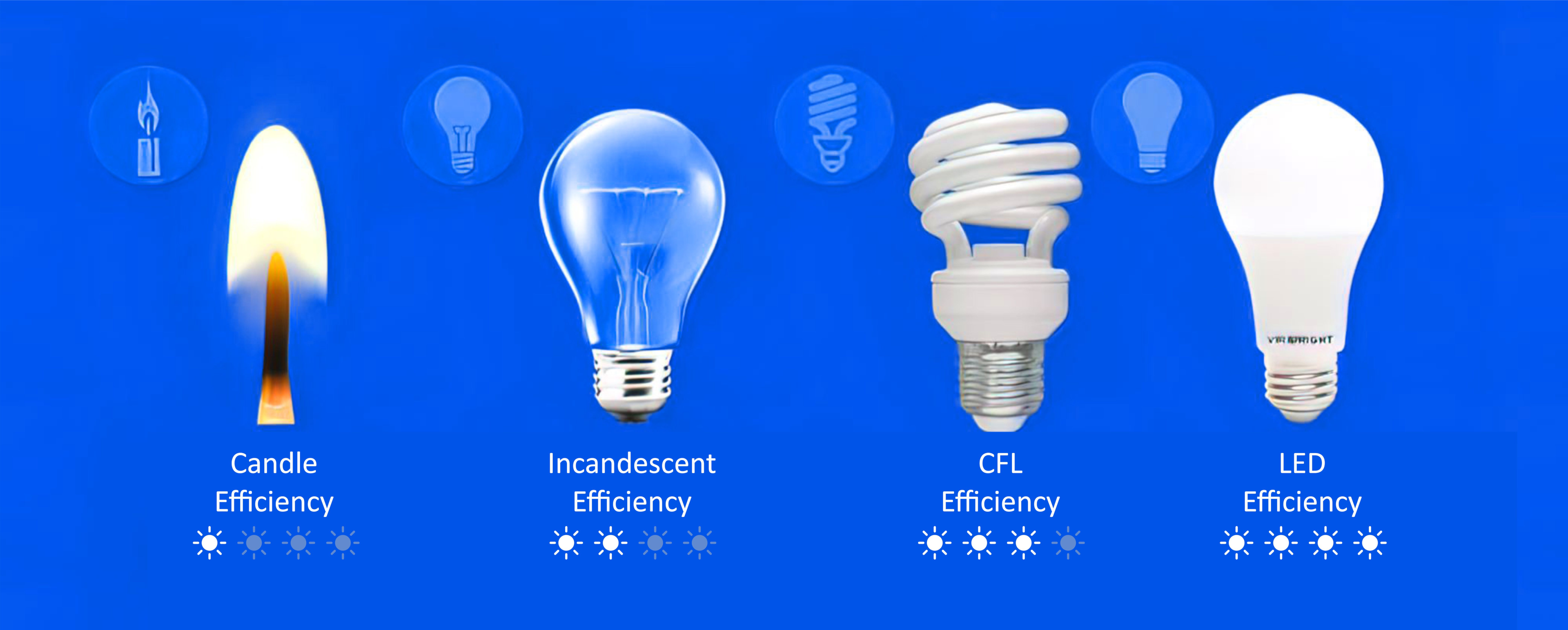
Energy consumption is generally less of an issue for smaller buildings. But for large hotels, every little bit counts, and the hundreds of lighting fixtures can lead to significant energy costs. LED lights offer excellent brightness and light coverage without the necessary heat and energy consumption.
The numbers make the case clearly. According to the U.S. Department of Energy, LED lighting uses at least 75% less energy and lasts up to 25 times longer than incandescent lighting. For a property running hundreds of fixtures around the clock, that difference adds up fast — lower utility bills, fewer replacements, and less maintenance labor over the life of each fixture.
Good LED lights encourage warmth and comfort on par with incandescent. So you are not losing anything by switching over to LEDs.
Versatility
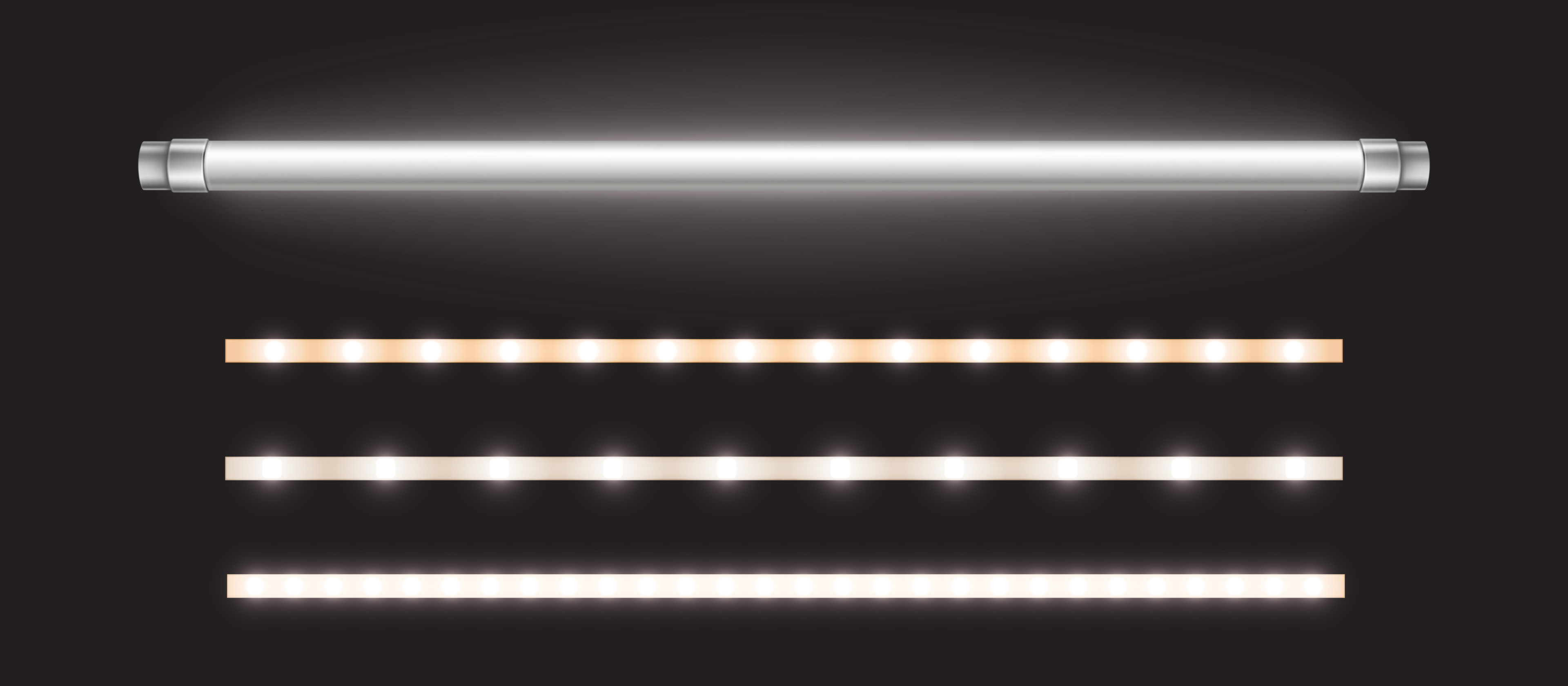
When working on a large project, versatility is your best friend. You need light bulbs that can be installed in almost any location. LEDs have a shallow profile and take very little space to implement. Lighting solutions like LED strips are a popular way to manage small areas, like under cabinet lighting.
Another benefit of LEDs comes in the form of automatic lighting control. You can control all your lights from a single control panel. Lighting designers have worked to make LED automation simple, easy, and cost-effective over the past decade. Automatic lighting enables visitors to spend their holidays more conveniently than before.
Layered Lighting Design
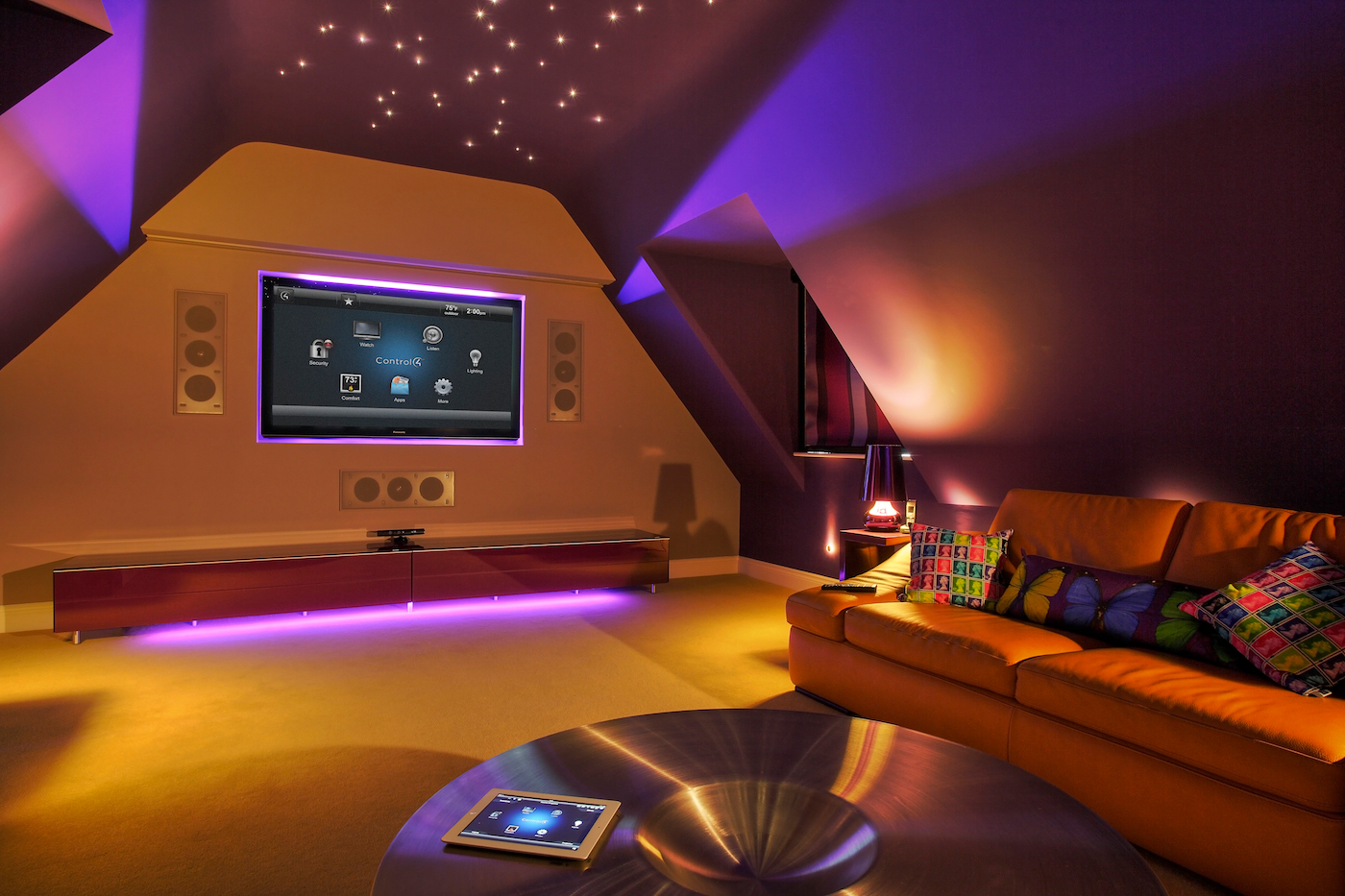
Light produces effects that can overlap with the surrounding areas. Bright spots can be created using focused light beams. While colored light can be projected using cellphone sheets or stained glass windows. Addressable LEDs have red, blue, and green (RGB) light emitters that can natively produce colored lights.
LEDs can be easily configured to overlap with other light sources to create a unique lighting design that will set your hotel apart from the competition.
Why You Need Lighting Designers
A lighting designer does a lot more than pick fixture styles. They help you narrow your choices, reduce costs, and efficiently use existing electrical infrastructure. When working on small buildings like a house, you may skip the hiring of a lighting designer. But you should rely on experts as much as possible for large projects.
Your lighting designer will also help you get a better idea about the competition, so you can keep up with modern styles.
Frequently Asked Questions
What is the best color temperature for hotel lighting?
Most hotel spaces use warm white light between 2700K and 3000K, which creates the relaxed, welcoming feel guests expect. Lobbies and reception areas can go slightly higher, around 3000K to 3500K, to stay inviting while keeping the space alert and functional. Guest rooms should stay on the warmer end for comfort and better sleep, while bathrooms and work desks benefit from a neutral 3500K to 4000K for clearer visibility. Consistency matters, so avoid mixing warm and cool temperatures within the same sightline.
How much does hotel lighting cost?
Hotel lighting costs vary widely depending on fixture quality, the number of rooms, and whether you include smart controls. LED fixtures cost more upfront than incandescent, but they typically pay for themselves within a few years through lower energy and maintenance bills. A full-property lighting plan for a mid-size hotel can range from tens of thousands to several hundred thousand dollars. Requesting a detailed quote based on your fixture count and room types is the only way to get an accurate figure.
How many lumens do I need for a hotel room?
A standard hotel guest room usually needs around 100 to 200 lumens per square meter for general ambient lighting, kept soft to avoid harsh glare. Reading areas and bedside lamps should add focused task lighting of about 400 to 500 lumens where guests need it most. Bathrooms require brighter illumination, often 300 to 400 lumens per square meter, especially around mirrors. Layering these light sources gives guests both comfort and functionality without over-lighting the room.
Can I get custom LED lighting for my hotel project?
Yes, custom LED lighting lets you match fixtures to your specific hotel style, room dimensions, and brand identity rather than settling for off-the-shelf products. Custom solutions are especially valuable for large properties, unique architectural features, or projects with strict energy and safety requirements. A good manufacturer can help with color temperature, beam angle, dimming compatibility, and international compliance from the start. At RC Lighting, we work directly with hotels to design and supply LED lighting tailored to each project — contact us to discuss your requirements.
Conclusion
Hotel lighting is a required field for improving guest satisfaction. Even the best-built hotel rooms will seem dull without good lighting. Well-lit places have a particular appeal that invokes a sense of trust in guests. After reading this article, you should know to go out and light your hotel in the best way possible.
But for large hotels, we recommend going with a professional lighting designer for the best results. Even a baseline lighting design studio can provide great insight into the hotel lighting design.
Why Choose RC Lighting for Your Hotel?
RC Lighting is a world-class manufacturer and supplier of LED lighting solutions. We offer a wide range of Indoor and Outdoor lighting solutions that comply with several international health and safety standards. We have quick turnaround times on standard orders with fast shipping times.
Don’t wait. Take advantage of our excellent 5-year product warranty, and Contact us Now!