
Lighting is a huge concern for most households, commercial or prime art galleries.
To help you understand its importance and allow you to come up with the best lighting solutions, we compiled this short post with all the relevant details.
Most of the time, you may ask yourself, “Is my art collection good enough?” Well, ask that question again once you have chosen the right light to illuminate your artwork. So to do your artwork justice, here’s how to start lighting art with the most modern light systems.

What is Art Gallery Lighting?
Art gallery lighting refers to the lighting systems and led fixtures you use for your art display.
From color temperatures and color palette to color rendering index, you must consider various factors to ensure that your gallery lighting works best.
For a perfectly displayed art collection, the right lighting ideas are as critical as the installation methods that make it possible.
For one, let’s take a glimpse at what factors make it an essential job. The factors include:
- Choosing between the optimal and highest CRI
- Assessing the art display space (location)
- Evaluating the impact of various lighting systems such as adjustable recessed lighting, direct light, museum lighting, and any new lighting project
- Type of painting (quality of artwork)
- Artwork room setting (type of space)
Surprisingly, the abovementioned factors are only the tip of the iceberg when lighting art galleries. There’s a lot to digest if you’re ensuring that your chosen lights are the perfect option to illuminate your art.
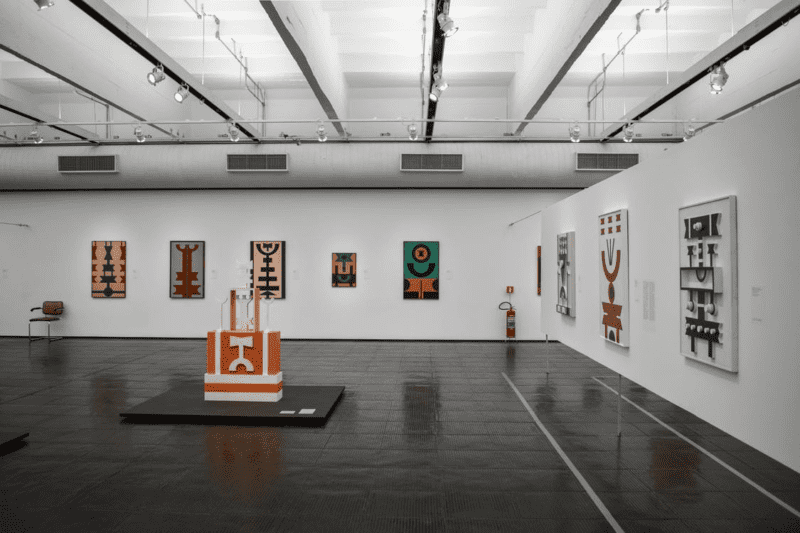
Why is Art Gallery Lighting Important?
Before you display your art in the most striking way, it helps to understand what lighting actually does. Far from being a background detail, lighting shapes how viewers perceive a piece—and studies show that different lighting can change how people experience the very same artwork.
The right lighting does three key things: it gives artwork structure, adds a sense of depth, and highlights the culture a gallery represents. Here’s a closer look at each.

Lighting Provides Structure
Lighting creates the contrast that gives artwork its structure. No matter how bold or colorful a piece is, the viewer needs to clearly see what’s light and what’s dark. Otherwise the composition looks flat and the message gets lost.
By controlling brightness and direction, lighting separates highlights from shadows and reveals how the artist balanced tone across the canvas. That contrast is what lets viewers read the piece the way it was meant to be seen.
Offers Improved Depth to Art Galleries
While standing in a commercial art gallery or your artwork studio at home, know that lighting is the key element to providing depth to your delicate pieces of art. Whether a portrait on a canvas or a sculpture residing around a brightly lit corner, lighting gives a sense of life to artwork and gives the composition a three-dimensional effect.
It might not necessarily be LEDs, lamps, recessed lighting, sunlight, or track lights for displaying art. If you know what you’re doing, playing with the shadows can help you portray your paintings and drawings on walls the way you wish.
Highlights the Rich Culture of Galleries
Beyond structure and depth, lighting draws attention to the art itself—and to the culture each piece represents. Galleries exist to tell stories through art, and lighting decides whether those stories get noticed.
Artists can’t control who walks past their work, but well-placed lighting makes a piece stand out from across the room. It guides the viewer’s eye, invites them closer, and gives them a reason to pause and appreciate.
One caution: while natural sunlight is a beautiful source, prolonged exposure can fade and damage artwork over time—so it should always be controlled.
Types of Art Gallery Lighting
Most modern galleries rely on LED lighting because it runs cool, uses less power, and produces minimal glare, all of which protect artwork and keep the space comfortable. Within LED lighting, though, there are several fixture types, and each one serves a different display purpose.
Below are five common options and where each works best.
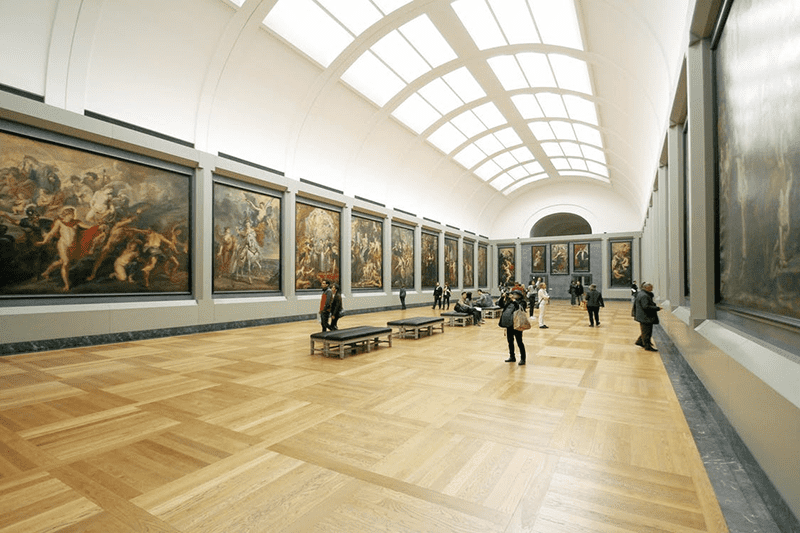
Surface-Mounted LED Downlights
As the name suggests, the lights are mounted onto a surface that is either the walls or ceiling of the art galleries. An SMD system is worth the cost because it reduces energy usage by a significant cost. Without any glare, a surface-mounted downlight system creates a cooler atmosphere since there is minimal heat generation.
Adjustable Recessed Lighting
For one, it’s better than candescent bulbs and creates a sense of a ceiling that’s higher than it is. Adjustable recessed lights on the ceiling create an inviting space to display art and attract viewers.
LED Track Lighting
A track light system is one of the best options when you don’t want to give too much space to any light fixture on your ceiling or walls. Track lighting offers versatility that’s perfect for an art gallery per se. Other than that, it can feature a cooler color temperature. Whether picture lights or an outdoor lighting project, track lights help you achieve a comfortable and cozy atmosphere.

Led Spotlight
As the name suggests, LED spotlights allow the viewer to focus solely on a piece of art. These lights help artists articulate their paintings and work so that it captivates the users’ intentions. LED spotlights aren’t as pocket-friendly as LED track lighting, but they offer a clear sense of highlighting art.
LED Wall-Washers
For a flexible setup, you can go for wall washers. You don’t necessarily have to ensure light spreads over all the paintings. Wall-washer lights are a good solution. If you wish to avoid direct lighting, wall washers can help provide indirect lighting to your art gallery.
How to Choose the Right Art Gallery Light Fixtures
It’s quite important to educate our readers about the importance and types of art gallery lighting options. However, we will discuss the parameters you should keep in check when searching for the right lighting system.
Types of Bulbs
Let’s start by discussing different types of bulbs. This is one of the primary considerations you must make when looking for the right art gallery lighting option. That is because different light bulbs offer different energy consumption levels, aesthetics, and ambiance. Ignoring this factor could result in either unimaginably high electricity bills or a low-quality aesthetic atmosphere.
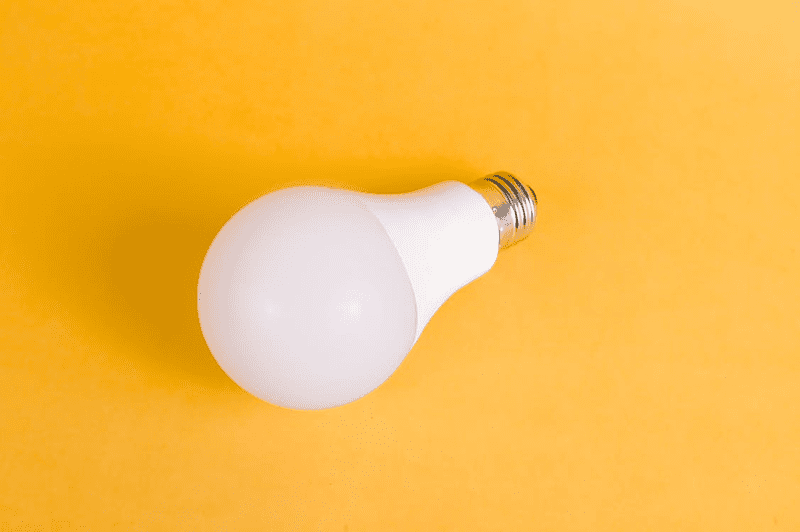
Look at some of the most popular bulbs today for a well-lit art gallery.
- Halogen Bulbs
This gas-based bulb offers warm or cool temperatures for an art space. Its cost lies in the mid-range and is a pocket-friendly option but not an environmentally friendly one.
- LED Bulbs
These are undoubtedly the best options and the ones that you definitely should go for. While saving a ton of energy, these bulbs offer a comfortable color temperature and generate less heat.
- Incandescent Bulbs
While these bulb types aren’t as popular and we wouldn’t suggest opting for them, you should know that incandescent bulbs are one of the market’s most inefficient.
While we mention only a limited range of bulb types, you must not forget that the new age of energy efficiency highly supports LED bulbs. Light-Emitting Diode is one of the best options out there in the market as they are low-cost and highly energy-efficient. Moreover, they offer a range of color spectrums suitable for nearly all types of settings, whether warehouse, outdoor, or art gallery.

Opt for the Right Light Fixtures
Since there’s a list of bulb types you can choose from, including those above, you should also pay attention to their fitting. For maintenance purposes, it’s best to choose light fixtures that enable easy replacement and change when necessary. When changing a faulty bulb, it mustn’t take more than a few minutes for maintenance personnel to replace it. Choosing the right fixtures will allow you to perform the maintenance work efficiently.
Some light fixtures are permanent and will require complete replacement, while others will only require a bulb change. Think carefully about how often you can work on maintaining your art gallery to preserve your art there. That is because being careless can cut down the appeal of your art while potentially harming the quality of your paintings with inappropriate light intensity.
Consider Adaptability
Galleries change their displays often, so your lighting needs to change with them.
Look for fixtures that let you adjust the beam angle, swap bulbs, or shift the color temperature without a full reinstall. This flexibility matters most in large galleries that rotate a lot of work across walls and floors.
A fixture with replaceable bulbs, for example, lets you match different lighting to different pieces as your exhibits change, so you’re not locked into one setup.
Try Blending Lights

Blending several lights is about finding the perfect match for your art gallery.
It isn’t easy to know the exact match for your art gallery. Unless you try some of the best options for creating a well-lit art gallery, you’ll never know the best light combo for it. Plus, when you search for different types of lights for your art space, you will surely encounter new details, designs, and the latest trends with professional advice. Here’s a list of different types of lights that you can focus on:
- Warehouse Light
- Ambient Light
- Accent Light
Assess Energy Consumption
Energy consumption is one of the most critical factors. Since lighting is a key element of any art gallery, you shouldn’t be exhibiting your art at exorbitant costs. You can choose energy-efficient and environmentally-friendly light bulbs to save yourself from that. For one, you don’t need research to tell you that LED bulbs are energy-efficient and low-cost.
If you aren’t clear on how to go for the most energy-efficient solutions for your lighting needs, acknowledge the “lumen.” Lumen is the unit used to measure the light a bulb produces. The most efficient bulb will produce the highest lumens while using the least energy (electricity) possible. Quite frankly, LED bulbs are your best bet!
Review Different Design Variations
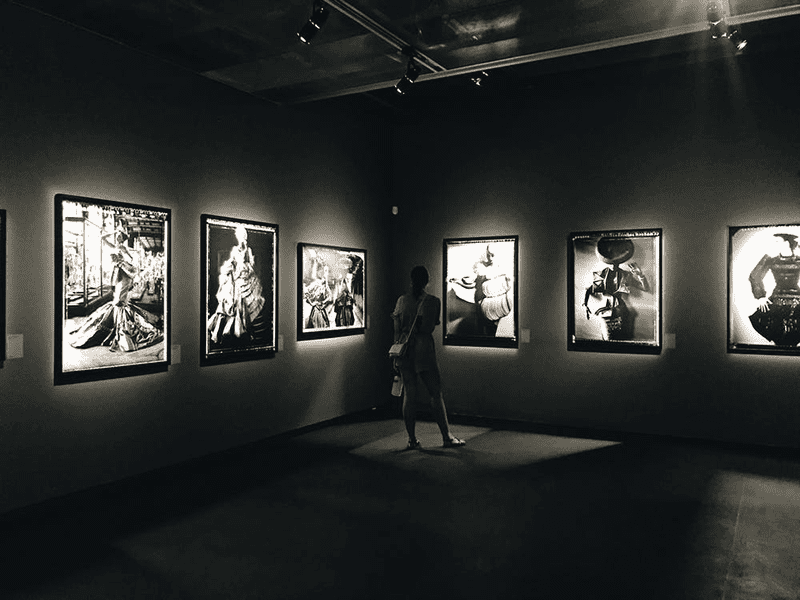
Don’t underestimate the need for style and glamour in your art gallery. Indeed, you don’t intend for your paintings to maintain the entire interior decor, do you? Well, the interior lighting system has to be attractive as well. Just like you shouldn’t compromise budget for quality, you shouldn’t compromise quality over price.
A slightly expensive lighting fixture that offers an intense and eclectic appeal can serve your art gallery the best.
Don’t Forget the Color Rendering Index
The color rendering index or CRI measures how well a bulb can emit light similar to natural light (e.g., sunlight). The measurement takes place on a scale of 0-100, with the average CRI for art galleries being between 80-90+. When the CRI rating is 100 or very close to it, say 99, it mimics sunlight perfectly.
3 Tips and Reminders for Choosing the Right Art Galleing Lighting
Shopping for art gallery lighting is frustrating if you haven’t had the experience before. Firstly, many things to consider, and keeping a checklist while monitoring it can be cumbersome. Secondly, if you’re on a budget, you don’t have a choice rather than going for a cheaper lighting option. Here are three amazing tips to keep in mind when shopping for lighting systems:
- Always check the source and quality of the light fixtures and bulbs
- Discuss the energy consumption element with the manufacturer before paying for it
- Try to favor quality over price because your art deserves the best appreciation it can get
Frequently Asked Questions
What is the best color temperature for art gallery lighting?
Most galleries use a color temperature between 2700K and 4000K, depending on the artwork and desired mood. Warmer light (2700K–3000K) flatters oil paintings and traditional pieces, while neutral light (3500K–4000K) suits modern art and photography. The key is consistency across the space so viewers perceive colors accurately. If your gallery mixes daylight and artificial light, aim to match their temperatures to avoid conflicting tones.
How many lumens do I need to light artwork in a gallery?
Rather than focusing only on lumens, galleries measure light using lux (lumens per square meter) at the surface of the artwork. Sensitive pieces like watercolors and textiles should receive around 50–200 lux, while more durable oil paintings and sculptures can handle 200–300 lux. Keeping levels controlled protects the art from long-term light damage. Adjustable or dimmable fixtures make it easier to fine-tune brightness for each piece.
How do I prevent glare and reflections on framed or glossy artwork?
Position your fixtures so light hits the artwork at roughly a 30-degree angle, which reduces reflections and unwanted shadows. Steeper angles create glare on glass and glossy surfaces, while shallower angles can cause hotspots or “veiling” reflections. For framed pieces behind glass, anti-reflective glazing paired with proper aiming makes a big difference. Testing the angle before final installation helps you catch reflection problems early.
Where can I buy quality LED lighting fixtures for an art gallery?
You can source gallery lighting from specialized LED fixture manufacturers who offer track lights, spotlights, and wall-washers designed for accurate color rendering and adjustable beam angles. Look for fixtures with a high CRI (90+), reliable dimming, and durable build quality, since these directly affect how your art looks and how long the fixtures last. Buying directly from a manufacturer also helps with consistent quality and better pricing on larger orders. At RC Lighting, we manufacture a full range of art gallery LED fixtures suitable for galleries, museums, and exhibition spaces.
Closing
Choosing suitable lighting and proper installation protects art while showing pieces vividly to visitors. Bad lighting weakens your gallery’s appeal to guests and collectors.
Your personal taste aside, pick lights that let art stand out. Modern lighting balances accurate color rendering, flexibility, design and efficiency. A well-mixed, tailored lighting setup brings out the full beauty of every artwork.
Buy Art Gallery Lighting from RC Lighting
Are you having trouble setting up a lighting system for your art display?
The illumination must be perfect from the ceiling to the wall to ascertain the proper appeal. When creating a brightness-laden art atmosphere, RC lighting is the choice of thousands of art fanatics and enthusiasts. Whether you need help choosing the right LED bulbs, spotlights, or fixtures for your artwork space, RC Lighting can help.
Get in touch with RC Lighting to find the best lighting project for your artwork display in galleries or elsewhere. RC Lighting doesn’t leave a customer unsatisfied. Send your inquiry now!