
Planning a refresh? Wondering which 2026 lighting trends for home are worth your money?
This guide covers the six biggest looks for this year. It also shows you how to get them right.
We make lighting for designers, renovators, and importers across North America and Europe. And we see the same thing every year. The trends are easy to find. But the small details that make a light look expensive instead of cheap? Almost nobody talks about those.
So we’ll cover both.
You’ll see what’s trending, how to use each idea room by room, and which specs keep that high-end feel after install.
Let’s start.
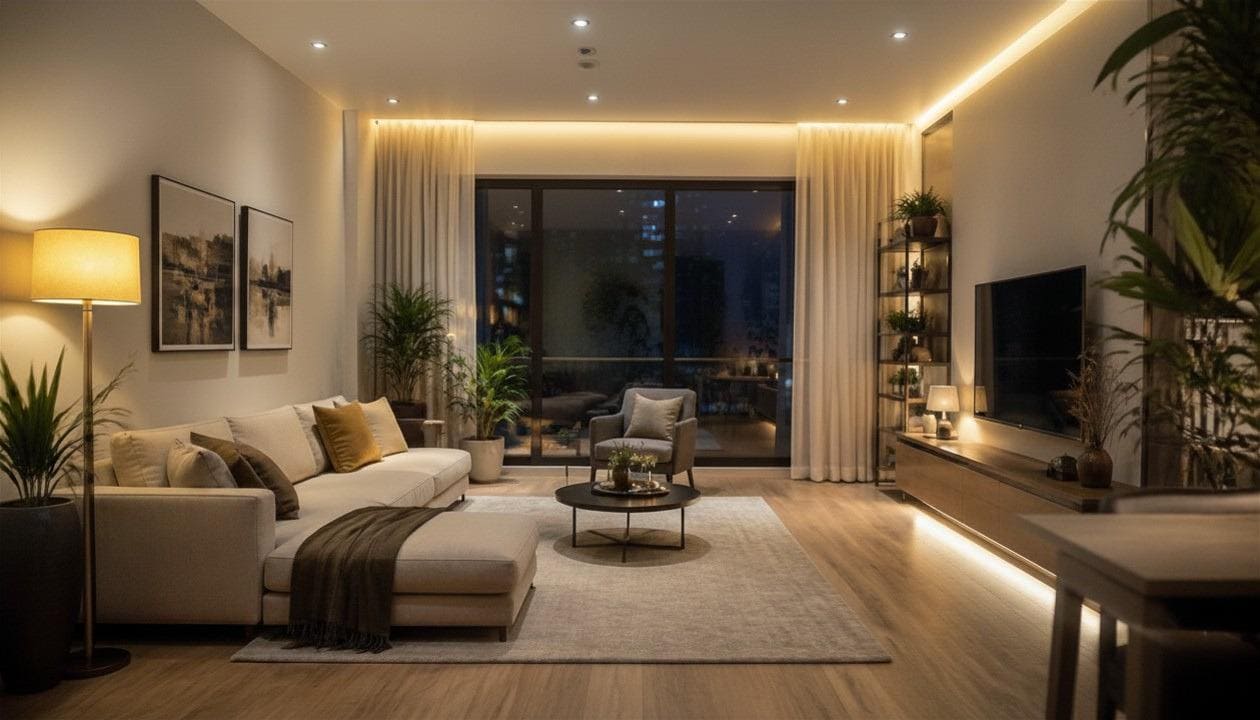
2026 Lighting Trends for Home at a Glance
Short on time? Here’s what’s driving home lighting in 2026.
Every trend leans the same way—toward warmth, texture, and better light. Not just more brightness.
| # | Trend | The Quick Idea |
| 1 | Warm Metals | Brass, bronze, and champagne replace cold chrome |
| 2 | Sculptural Fixtures | Statement pieces that double as art |
| 3 | Ribbed & Fluted Textures | Fluted glass and tactile finishes add depth |
| 4 | Layered, Human-Centric Light | Soft, warm layers for a “quiet luxury” feel |
| 5 | Smart Lighting (Done Right) | Useful controls, no gimmicks |
| 6 | High-CRI, Full-Spectrum LED | Light that shows true colors |
Here’s the takeaway. In 2026, how the light looks matters as much as how the fixture looks.
Keep that in mind as we go. A gorgeous fixture with bad light rarely feels premium in person.
The 6 Biggest Home Lighting Trends for 2026
Warm Metals — Brass, Bronze & Champagne
Warm metals are one of the defining looks for 2026.
Brushed brass, aged bronze, and soft champagne gold are everywhere now. It’s easy to see why. These warm metals bring a timeless elegance that pairs well with wood, stone, and today’s warmer paint colors.
When considering lighting design, you might want to look at brushed brass, antique bronze, and soft champagne gold. These finishes feel richer. They also pair well with wood, stone, and warm paint tones.
The look works almost anywhere. A brass pendant over an island. Bronze sconces in a hallway. Champagne accents on a chandelier.
One tip: mix metals on purpose, not by accident. Pick one warm metal as your lead. Then repeat it two or three times in the room. That’s what makes it feel designed.
There’s one detail most buyers miss, though. Two “brass” fixtures from the same order can still look slightly different. We see this in production all the time. Plating and finish can drift between batches. So the pieces don’t quite match on the wall.
That’s why finish consistency matters as much as the color itself. When you source warm-metal lighting, ask how the supplier controls batch-to-batch color. Ask for samples from an actual production run, not just a showroom piece. That’s often the difference between a matched set and a mismatched one.
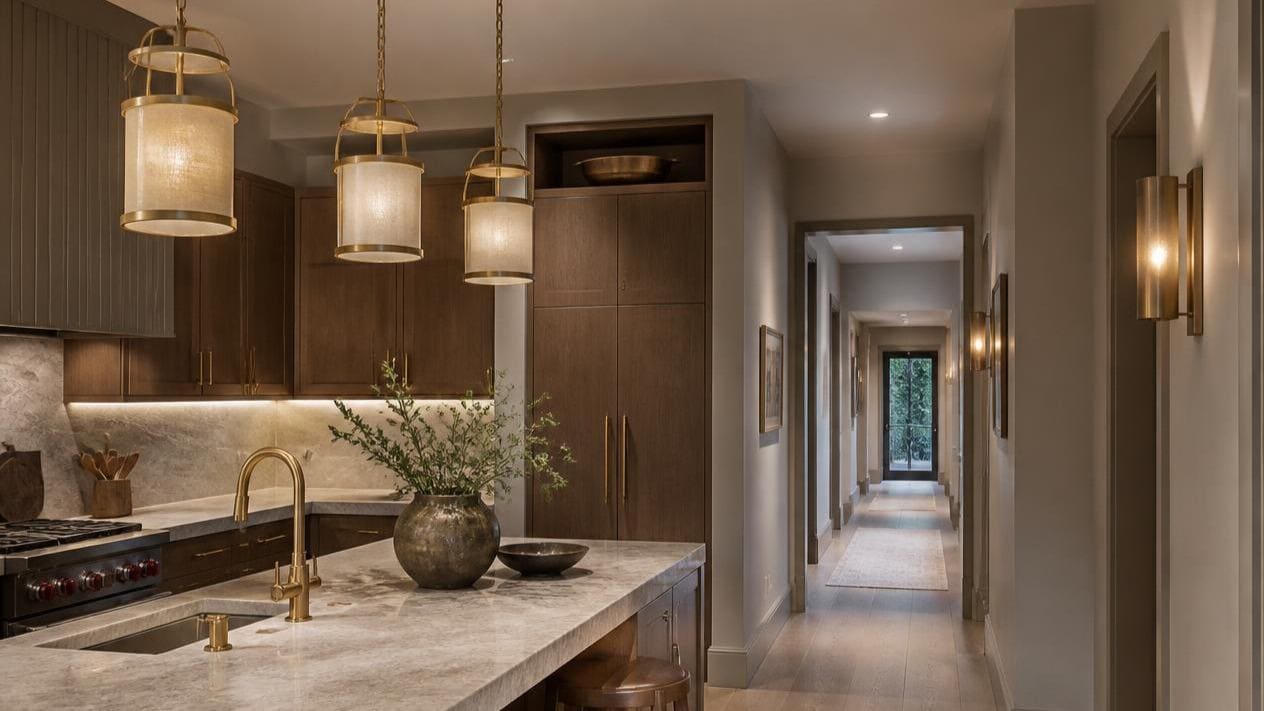
Sculptural Fixtures That Double as Art
In 2026, a light isn’t just a light. It’s a centerpiece.
Sculptural fixtures are having a moment. Curved arms. Bold shapes. Oversized forms that draw the eye even when they’re off.
The idea is simple. One strong piece can carry a whole room. So you spend less on decor elsewhere.
Where do these work best? Over a dining table. In a stairwell. Or in an entryway where people first walk in.
Just don’t overdo it. One sculptural statement per space is plenty. Two competing pieces cancel each other out.
Ribbed & Fluted Glass and Textured Materials
Flat and glossy is out. Texture is in.
Fluted glass, ribbed shades, and hammered metal all add depth. They catch light and cast soft patterns. That gives a room a custom, tactile feel.
This trend also softens harsh light. Ribbed glass scatters the glow instead of firing it straight at you.
It’s a small change with a big payoff. Swap a plain glass pendant for a fluted one, and the whole space feels more considered.
Layered, Human-Centric Warm Light
Quiet luxury lighting doesn’t announce itself. Instead of one bright ceiling fixture, the room is lit in layers—a soft ambient glow, a pool of light over the table, a warm wash on the wall—so the space feels calm and expensive without trying.
Warm tones carry the look. Light around 2700K–3000K feels inviting and flatters skin, wood, and fabric without going dim or yellow. Put each layer on its own dimmer, and one room can shift from functional to relaxed in seconds.
One thing to check before buying: many LEDs flicker or shift color once dimmed below 20%—exactly where this look lives. We test fixtures at those low levels specifically, because a driver that stays smooth all the way down is what separates a premium feel from a cheap one. Ask how a fixture behaves when dimmed deep, not just at full power.
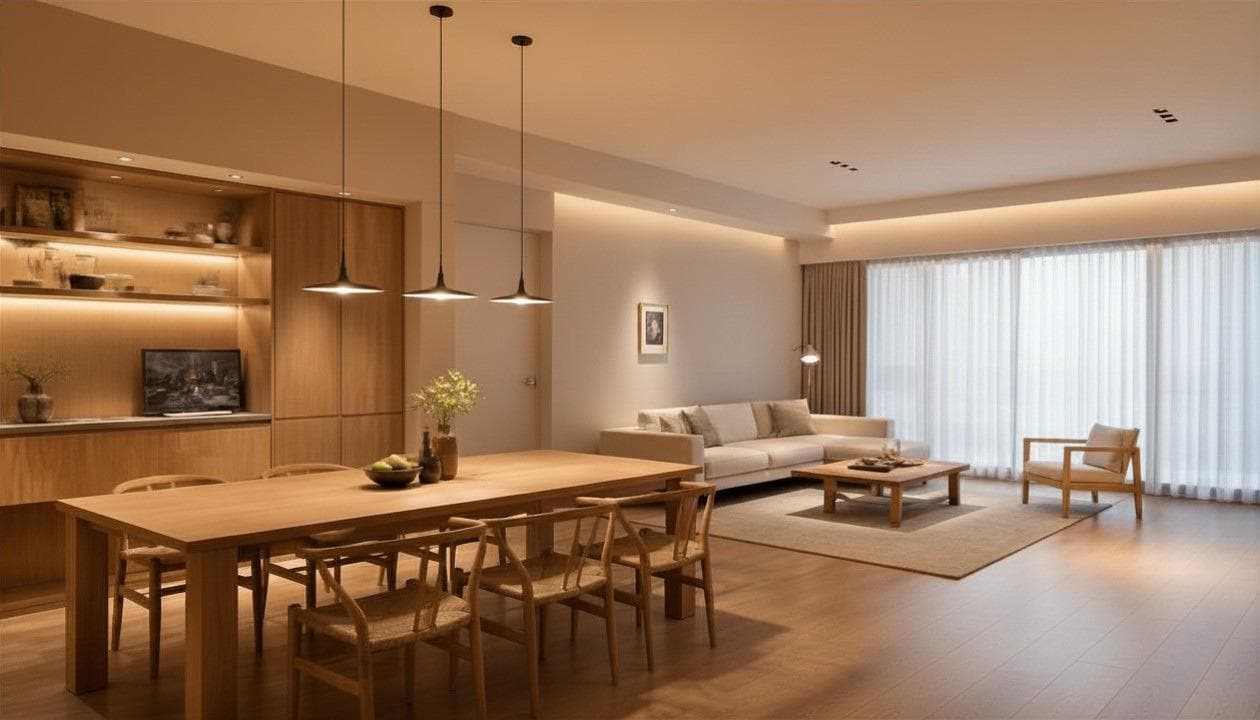
Smart Lighting Without the Gimmicks
Smart lighting has grown up. The novelty of color-changing bulbs has faded, and what people want now is lighting that quietly makes daily life easier.
The useful features are the practical ones: scheduling that follows your routine, dimming by voice or phone, and tunable white that shifts from warm evenings to brighter daytime tones. Keep it simple—a few good smart fixtures on a reliable platform beat a house full of app-hungry gadgets.
One quality point buyers miss: cheap smart LEDs can drift in color as they dim or warm up, so your “warm evening” setting never looks the same twice. Ask whether a fixture’s color output stays stable across its full dimming and tuning range—that consistency is what makes smart lighting feel seamless.
High-CRI, Full-Spectrum LED
Among current LED lighting trends, full-spectrum LED is the one worth following. It has quickly become the go-to choice for modern homes—and for good reason.
Unlike older bulbs, these LEDs render color close to natural daylight, so skin looks healthy, food looks fresh, and your paint and furnishings read the way you actually chose them. Rooms simply feel more alive.
They’re also efficient and long-lasting, which is why designers now reach for them by default in living spaces, kitchens, and bathrooms alike.
For everyday living areas, a CRI of 80 or higher is the sweet spot—noticeably richer than standard bulbs without paying for specialty-grade output. It’s one of the easier LED lighting trends to adopt, and it instantly makes a home feel more premium.
How to Bring These Trends Home, Room by Room
Trends only matter when they work in your actual space. Here’s how to apply 2026’s lighting ideas room by room, so each choice feels intentional instead of trendy for its own sake.
Living Spaces
The living room is where layered lighting shines. Start with a statement pendant or a sculptural fixture as your anchor, then build around it.
Add dimmable recessed lights for flexibility, and a floor or table lamp for warmth in the evening. Aim for a warm 2700K–3000K glow to keep the space relaxed.
If you entertain often, put your main lights on dimmers. It’s the easiest way to shift the mood from bright and social to soft and calm.
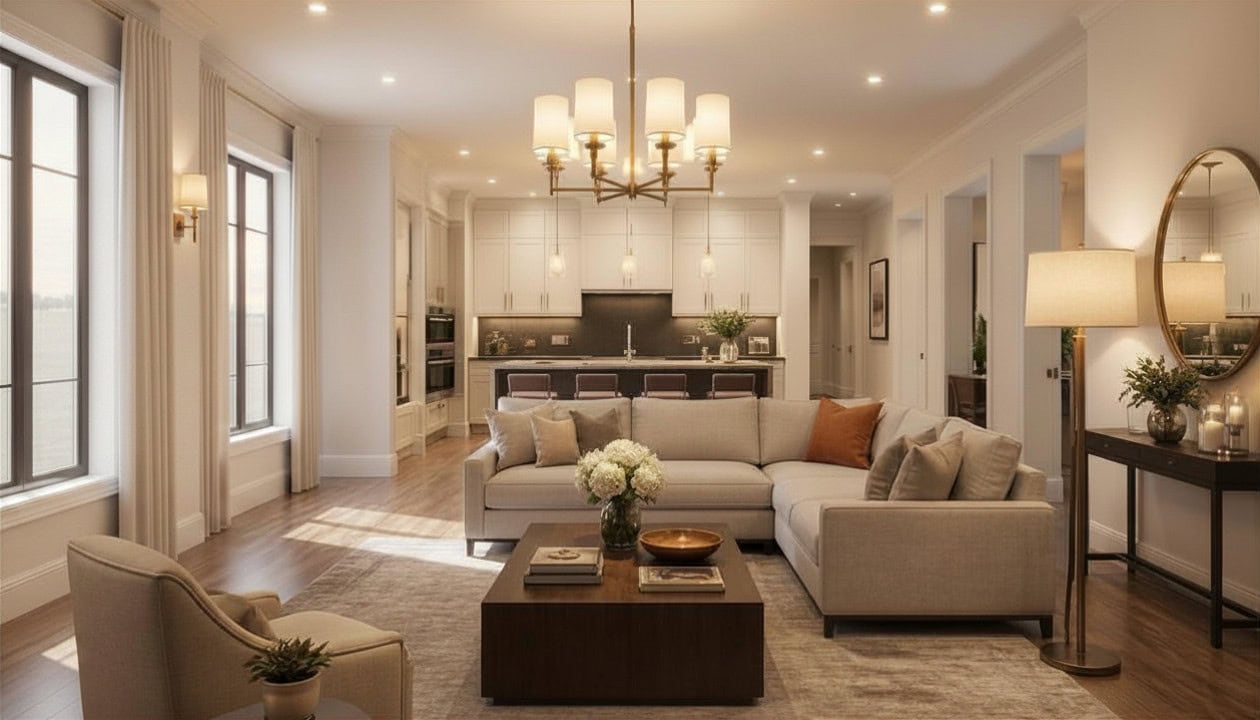
Kitchen & Dining Room
Kitchens need bright, honest light for prep work. This is where high-CRI, full-spectrum LEDs earn their keep—food looks fresher and colors read true under a CRI of 90 or higher.
Layer task lighting under cabinets and over islands, then use a pendant or linear fixture above the dining table as the visual centerpiece.
Keep the dining fixture warmer and dimmable. You want energy for cooking and softness for the meal itself.
Bedroom
Bedrooms call for calm, low-glare light. Skip a single harsh ceiling fixture and layer instead.
Use warm 2700K lighting, bedside lamps or wall sconces for reading, and consider indirect cove lighting for a soft, hotel-like feel.
Dimming is a must here. Being able to wind the light down at night supports better rest and makes the room feel instantly cozier.
Bathroom & Vanity
The vanity is the one spot where getting the light right really matters. Poor lighting casts shadows and distorts how you look.
Place lights on both sides of the mirror at face height rather than only overhead. Use a CRI of 90+ and a neutral 3000K–4000K tone so skin looks natural.
For the wider bathroom, damp- or wet-rated fixtures are essential. We’ll cover certifications shortly, but always confirm a fixture is rated for moisture before installing it near a shower or tub.
Entryway & Porch
The entryway sets the first impression, so give it a moment of drama. A pendant or a small sculptural fixture works beautifully here.
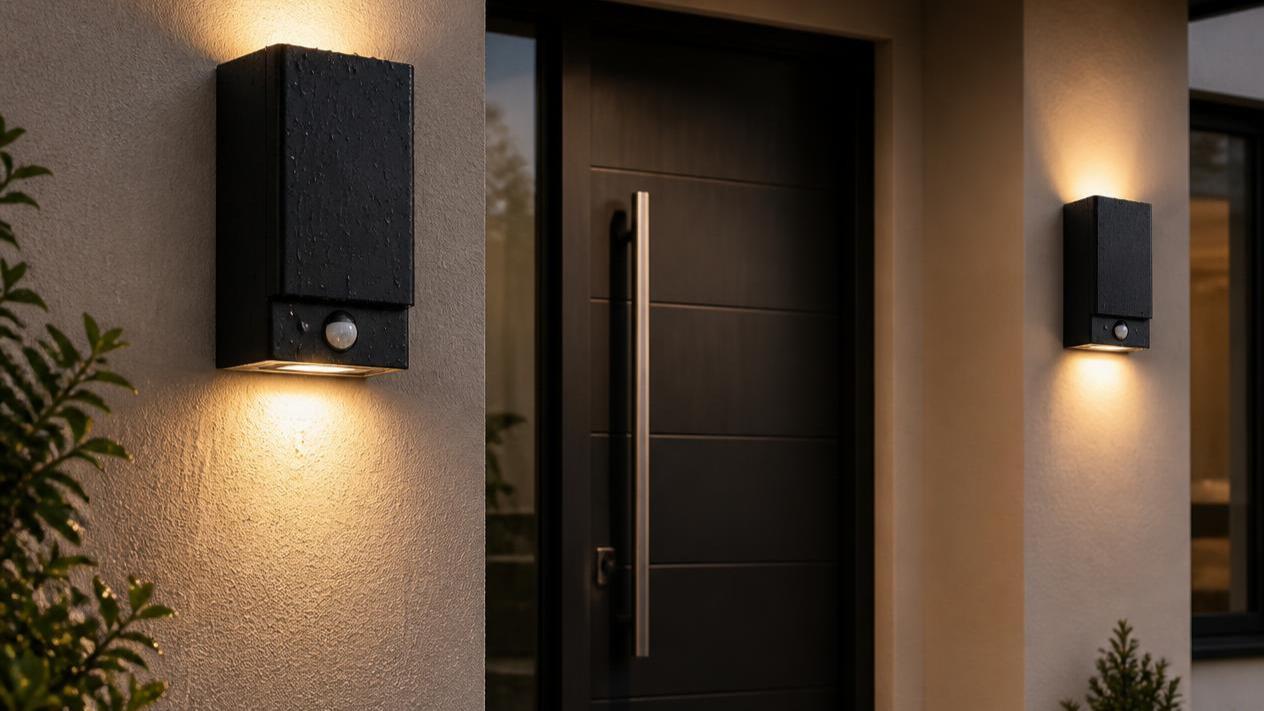
Outdoors, prioritize durability and safety. Look for weather-rated fixtures and consider motion sensors or smart controls for security and convenience.
Warm, welcoming light at the entrance makes a home feel inviting the moment guests arrive.
Should You Follow Every 2026 Lighting Trend?
Short answer: no. Trends are a starting point, not a rulebook.
A fixture that looks stunning in a design magazine can feel wrong in your actual home. Ceiling height, natural light, room size, and how you live all matter more than what’s trending.
Chase function first, style second. A beautiful pendant that throws glare across your kitchen island isn’t worth it, no matter how on-trend it looks.
Think about longevity, too. Bold sculptural pieces and warm layered lighting tend to age well, while hyper-specific color fads can feel dated within a few years. According to the U.S. Department of Energy, LED fixtures can last 15,000 to 50,000 hours, so you’re likely living with today’s choice for a long time.
Our advice: pick two or three trends that solve a real problem in your space, and skip the rest. That’s how you get a home that feels current without looking like it’s trying too hard.
Sourcing & Customizing Trend-Right LED Fixtures for 2026
If you’re a retailer, designer, or property developer sourcing fixtures in bulk, the game changes. You’re not just buying a lamp—you’re vetting a supplier, verifying compliance, and protecting your brand.
Here’s what separates a smooth order from an expensive mistake.
What to Ask Any Supplier (Spec Sheets & Photometric Data)
Never order based on a product photo alone. A good supplier should hand over complete documentation before you commit.
At minimum, ask for:
- Full spec sheet — wattage, lumen output, CRI, color temperature (CCT), and beam angle
- Photometric data (IES files) — so you or your designer can model how the fixture actually distributes light
- Dimming compatibility — which drivers and dimmers the fixture works with
- Lifespan and warranty terms — rated hours and what the warranty actually covers
Photometric data is the detail buyers most often overlook. Two fixtures can list the same lumens on paper but perform completely differently in a room—one washes a wall evenly while the other creates hotspots and dark corners. In our experience, requesting IES files upfront is the single fastest way to filter serious manufacturers from resellers who don’t understand their own product. If a supplier can’t produce this data, treat it as a red flag.
The IES (Illuminating Engineering Society) maintains the standards behind these files, and reputable manufacturers will provide them without hesitation.
Certifications to Confirm
Certifications aren’t paperwork—they’re your legal and safety backbone. The right ones depend on your market.
- UL / ETL — required for the North American market. Both indicate the fixture meets recognized safety standards; UL and ETL (Intertek) are the two most widely accepted marks.
- CE — mandatory for the European market, confirming compliance with EU health, safety, and environmental directives.
- RoHS — restricts hazardous substances like lead and mercury, and is required across the EU and increasingly expected elsewhere. See the European Commission’s RoHS overview for specifics.
A quality issue we regularly catch only after inspection is mismatched or “self-declared” certification. Some suppliers print a UL or CE logo without holding a valid certificate for that exact model. Always ask for the certificate number and verify it in the certifying body’s public database. It takes five minutes and it protects you from a shipment that gets held at customs—or worse, pulled from shelves after a safety complaint.
For moisture-prone rooms like bathrooms, also confirm the IP rating and a damp- or wet-location listing on the certificate.
OEM / ODM Options & Lead Times
If you want fixtures that feel unique to your brand, this is where OEM and ODM come in.
- OEM (Original Equipment Manufacturer) — the factory builds a fixture to your specifications and branding, often based on their existing engineering.
- ODM (Original Design Manufacturer) — the factory handles design and development, letting you customize an existing product with your finish, color temperature, packaging, or logo.
ODM is usually the faster, lower-risk route if you want a trend-right look without funding a fixture from scratch.
Build lead time into your buying calendar early. From our production experience, typical timelines run roughly 30–45 days for sampling and 30–60 days for bulk production, before shipping. Custom finishes, new tooling, and certification testing all add time.
Buyers who plan around seasonal demand—say, ordering warm sculptural fixtures well ahead of the fall and holiday season—avoid the scramble and the rush fees.
Lock your specs and certification requirements before sampling begins, because changing them mid-production is what blows up both timelines and budgets.
Frequently Asked Questions
How many light fixtures do I actually need per room?
There’s no fixed number, but a good rule is to layer at least three light sources per main living space—ambient (overhead), task (focused), and accent (mood). A general guideline for ambient brightness is roughly 20 lumens per square foot for living areas and 30–40 for kitchens. Rather than counting fixtures, focus on eliminating dark corners and harsh single-source glare.
Can I mix different lighting styles and finishes in the same home?
Yes, and it often looks more intentional than matching everything. The trick is to repeat one connecting element—a metal finish, a shape, or a consistent color temperature—so the mix reads as curated, not accidental. Warm-toned brass, matte black, and natural wood tend to blend well in 2026’s sculptural, layered direction.
Do dimmable LEDs save more energy than standard LEDs?
Dimming LEDs does reduce energy use when you run them below full output, and it extends fixture life by lowering heat and drive current. The bigger savings, though, come from the LED technology itself. Just make sure the fixture and dimmer are rated as compatible—mismatched pairs cause flicker, buzzing, and shortened lifespan.
How far in advance should I place a bulk or custom lighting order?
For standard stock fixtures, start sourcing 2–3 months ahead. Custom lighting takes longer—OEM branding, bespoke finishes, and certification testing typically add 30–60 days. Lock your specs and compliance requirements before sampling, since mid-production changes cost the most time.
Bringing 2026 Lighting Design Into Your Home
The best home lighting trends of 2026 all point in the same direction: warmer tones, layered light, bold sculptural fixtures, smarter controls, and better color accuracy. But the real goal isn’t to follow every trend—it’s to shape light around how you actually live, room by room.
You can start with function, choose two or three ideas that solve a real problem, and let style follow. Have a try!
Get Your 2026 Lighting Right with RC Lighting
If you’re sourcing trend-right LED fixtures for retail, design, or development, we can help you get the details right. Reach out to our technical team for spec sheets and a quote, or request samples to see the light quality for yourself before you commit to a full order.