Whether you are a lighting designer who needs to specify fixtures for a commercial facade or as a project manager who needs to have good installation quality, failure to get texture lighting right will cost you a fortune in the form of hotspots, uneven lighting coverage and unprofessional output.
In this guide, you will find out how texture and light interact and learn how to play around with the beam angles, position a light source, and the intensity of the lumen to evade the usual traps.
Understanding Surface Texture and Light Interaction
Before we dive into the details, let’s look at the various options, including hardscape lights, and why texture matters so much in wall wash lighting.
How Texture Affects Light Spread
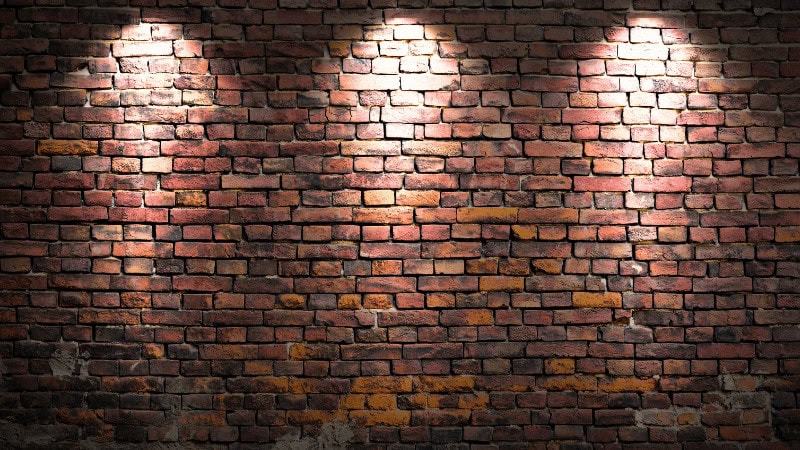
On smooth surfaces, wall washers have the ability to spread the light evenly from top to bottom, producing a clean and wide light. High-relief textures, like rough stone or deeply grooved brick, naturally cast shadows. They also highlight raised areas.
When the direction of illumination changes (i.e., has a lower incidence angle relative to the surface), textured surfaces appear significantly rougher.
When the texture is more subtle or uniform, you might need to aim your light more carefully. You could also position hardscape light fixtures to bring out that detail. Alternatively, you can lean into textured wall grazing. This is where the light grazes the surface to emphasize depth.
Material Reflectivity
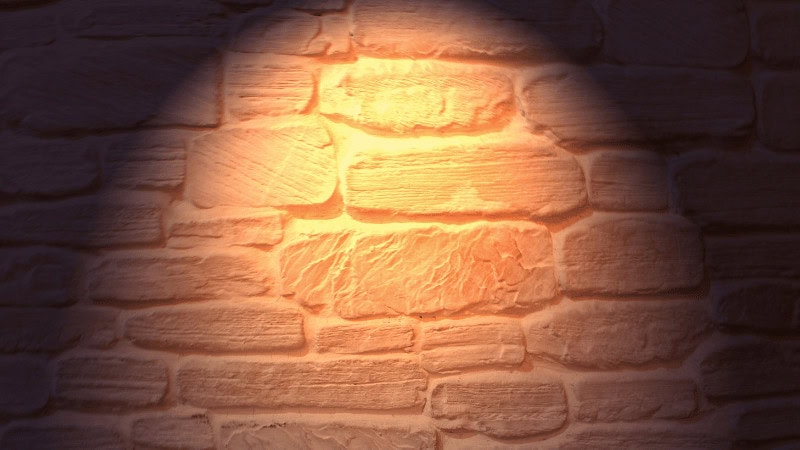
Various types of materials affect the light refraction; this influences the mood and intensity of your wash:
- Stone: It is fairly reflective. Its natural patterns and coloring change present themselves relatively well. It occurs when the stone is soft-washed or grazed.
- Concrete: Concrete tends to be low reflective. This means the surface might seem flat or dull. You may need to increase the brightness to compensate.
- Brick: Brick is unevenly reflective. It displays the effect of the episodes made of mortar and the face of the bricks. This forms a contrast. It makes the pattern stand out when properly lit.
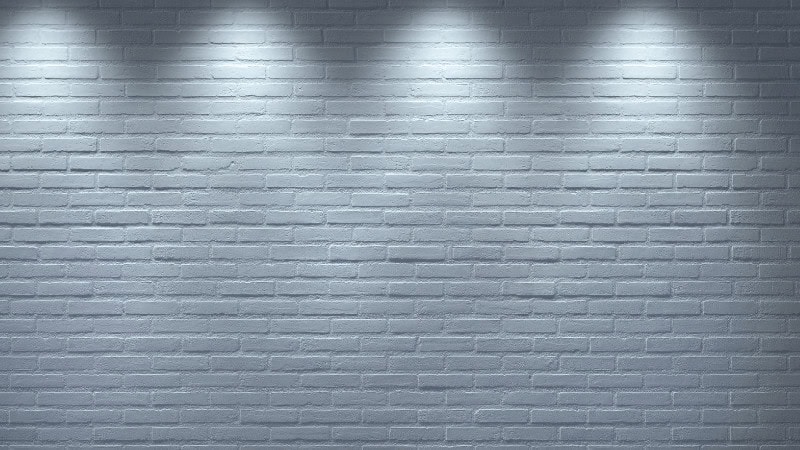
It shows that the surface reflectivity of concrete varies significantly depending on surface texture, color, and surface state (for example, wet versus dry).
Quick Takeaway:
Stone demands beams and grazing practices. Low reflectivity necessitates concrete with more lumens and expanded beams.
To prevent overexposing mortar joints, the brightness of the brick is supposed to be under control. Prepare your specification of the material to match your specifications of the fixtures.
The Importance of Correct Lighting
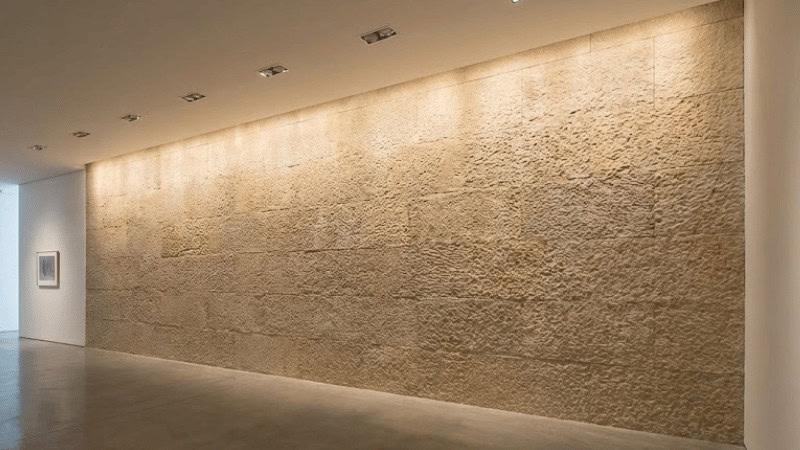
Precision is important when it comes to wall wash lighting. Even minor specification mistakes make a very noticeable problem. The incorrect lighting system results in visible stripes on your wall, which signal at a glance that the installation was of a low standard.
Poor beam angle creates unequal light dots which attract attention to all the wrong reasons to distract the architecture. Incorrect lumen output produces totally amateurish effect where high quality materials pass as cheap and under-specified.
Wrong offset distance causes the whole wall to appear in zebra stripes, which involves an expensive re-implementation.
These basics ensure you do not have to install and set up everything again, hear complaints, and ruin your professional image.
Choosing Fixtures for Different Textured Surfaces
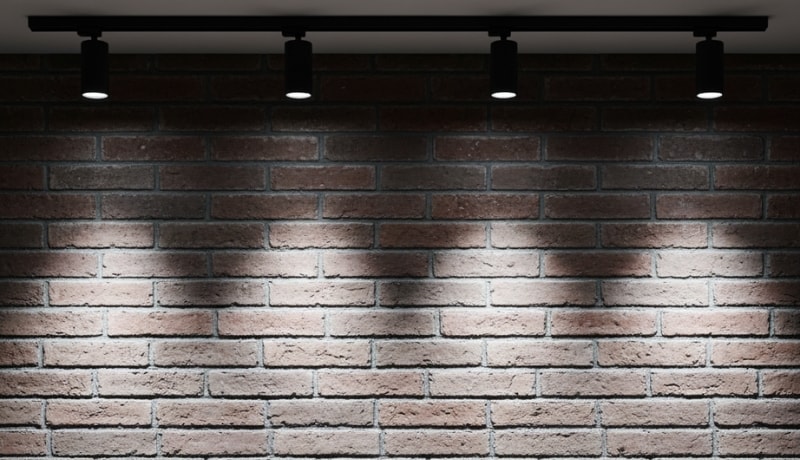
Now that we know how we can act with these materials, we would like to discuss the process. The process is selecting the correct fixtures from LED wall washer lighting manufacturers.
Beam Angle and Optics Selection
When you have texture, then the beam angle is massive. Any mistake here, and you will have a stone wall that is flat, or a brick wall with irritating bright spots.
Narrow beams are excellent in bringing out ridges and recesses on stone surfaces. They also produce dramatic effects in the shadows, accentuating all curves and tendencies.
Narrow beams suit a uniform surface on moderately rough walls. They distribute light in a larger range, eliminating the chance of hot spots. This distribution still permits the texture of the wall to shine through.
The wide beams are especially helpful in textured wall grazing on materials like concrete or brick, as well as slight textures.
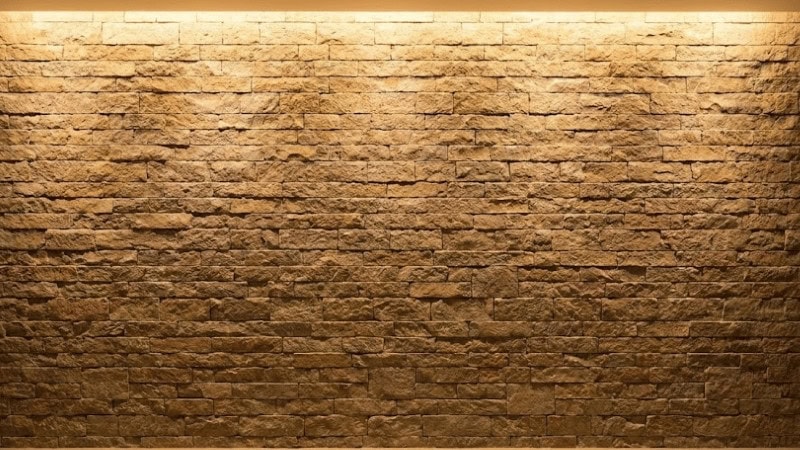
Asymmetric optics are revolutionizing the location of wall washer lights on rough walls. These special, purposely designed lenses spread light unequally. This means there is more light directed up the wall and less light toward the bottom.
This technique overcomes hot spots in traditional wall washing to evenly disperse light across the entire area.
| Material | Recommended Beam Angle | Lighting Technique | Suggested Lumen Output | Notes |
|---|---|---|---|---|
| Stone | Narrow (10°–25°) or asymmetric | Grazing / soft wash | Medium | Avoid excessive brightness to preserve natural tones |
| Concrete | Wide (30°–45°) or asymmetric | General wall wash | High | Needs more output due to low reflectivity |
| Brick | Narrow to mid (15°–35°) | Grazing or hybrid wash | Medium | Careful with overexposure of mortar lines |
Lumen Output and Dimming Requirements
Various materials require various quantities of light to appear their best, and this is where most people fall short. In the case of stone, a medium lumen suffices in most situations. The natural reflectivity of stone implies that it does not require a lot of light to reflect.
Actually, excess light may overwhelm the finer colour shades in stone that render it beautiful. Most of the time, you can go with indirect grazing techniques where the texture provides natural shadows.
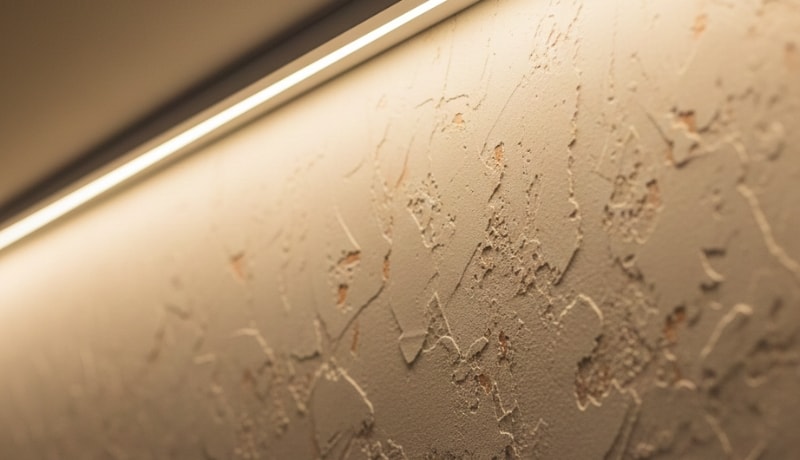
The concrete requires greater muscle. Due to its low reflectivity, concrete wall lighting usually needs more lumens so that it does not look dim and inanimate, which can be an issue with low stock in lumens. There is nothing wrong with increasing the volume; concrete can take it.
Brick is in between, with a condition. You must be careful with your lumen so that you do not overexpose highlights on the mortar joints that are light. Excessive light, and those mortar lines look like glaring white lines. Too little, and the pretty brick design is lost in shadows.
Quick Takeaway:
Do maximize lumen output (low reflectivity). But never over-light stone or brick, it bleaches away texture. Apply dimmers on-site to fine-tune. Test before complete installation, and you avoid costly errors.
Mounting Distance and Placement Strategies

Whether you look like a professional and have amateur hour results depends on the proper placement of fixtures.
Wall Setback (offset) Recommendations.
Here are the ideas of distance from the wall:
Stone wall lighting
For stone, position the fixtures at a slightly less distance, but without being too close. This short distance ensures that the first order of business is to highlight intermittent ridges and crevices.
Concrete wall lights
For concrete surfaces, select offsets that balance with common standards. This is usually between 12 to 18 inches or more, depending on the wall height. As a simple example, a general specification rule uses about one-third of the ceiling height for the offset.
Brick hardscape lights
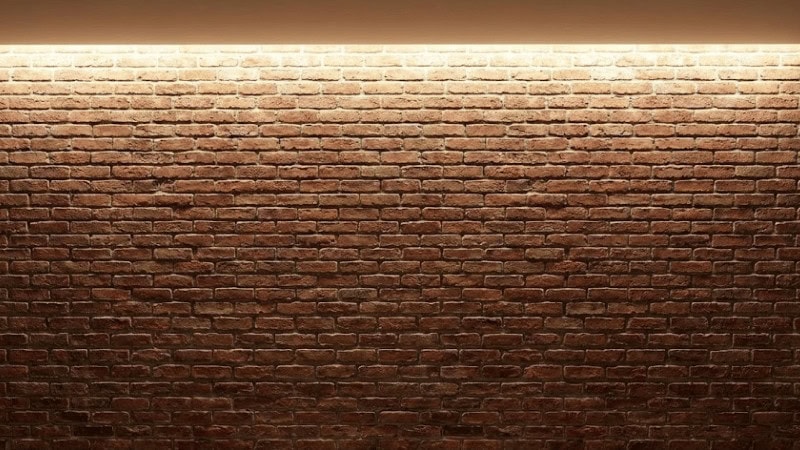
Adjust the offset or the height of the fixture on the wall to customize the lighting effect. Brick surfaces have smooth faces and recessed mortar lines. These distinct textures require careful arrangement for both optimal appearance and safety. This guidance will help you achieve the ideal equilibrium of light and shadow.
Matte and textured surfaces (stone, brick, rough concrete, stucco, etc.) diffusely reflect light. It means light disperses rather than reflects back, per the lighting-material theory.
| Material | Recommended Offset (Distance from Wall) | Fixture Spacing Guideline | Suggested Tilt Angle | Application Tip |
|---|---|---|---|---|
| Stone | Short (8–12 inches) | Slight overlap of beams | 20°–30° | Highlights ridges, avoid glare on polished areas |
| Concrete | Medium (12–18 inches or ⅓ wall height) | Consistent overlap | 10°–20° | Increase the lumen if the surface looks flat |
| Brick | Adjustable (based on height & layout) | Overlap without hiding texture | 15°–25° | Watch mortar lines to prevent bright striping |
Fixture Spacing
The consistent spacing keeps out an irritating phenomenon known as banding, the zebra-like sequence of light and dark spots that shouts about poorly installed lighting.
The trick is that the beams are slightly overlapped. You desire the light of nearby fixtures to meet and merge without sacrificing the details of the texture that makes these surfaces interesting. You can imagine it as painting all the brush strokes over top of one another, mingling the edges, but leaving the texture visible.
Aiming and Tilt
The trick of increasing the texture is by fine-tuning the tilt angle of your fixtures and getting the texture without the issues.
Tilt depending on what you are after doing. The greater the tilt, the longer the shadows and the more dramatic the texture, and the less the tilt, the smoother, more uniform is the coverage.
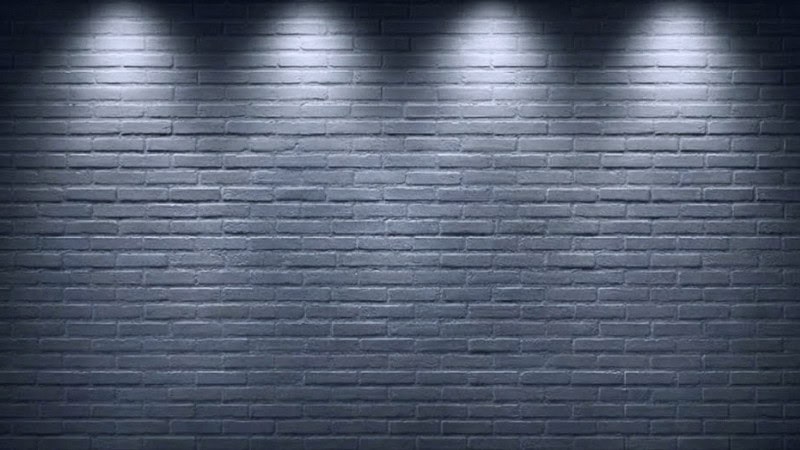
Apply shielding accessories to smooth or polished surfaces of stone to avoid glare. No one would like to be dazzled by reflected light batting against polished granite or marble.
Quick Takeaway: Do slightly overlap the beams to provide even coverage. Avoid excessive spacing of fixtures- this will form banding. Install variable fixtures in the aiming position.
Mistake to avoid: Neglecting to consider the height of the wall in calculations of the offset distance.
Color Temperature and Light Quality
Light quality and color temperature influence the natural or artificial appearance of your wall, and this is mostly vital when painting natural materials.
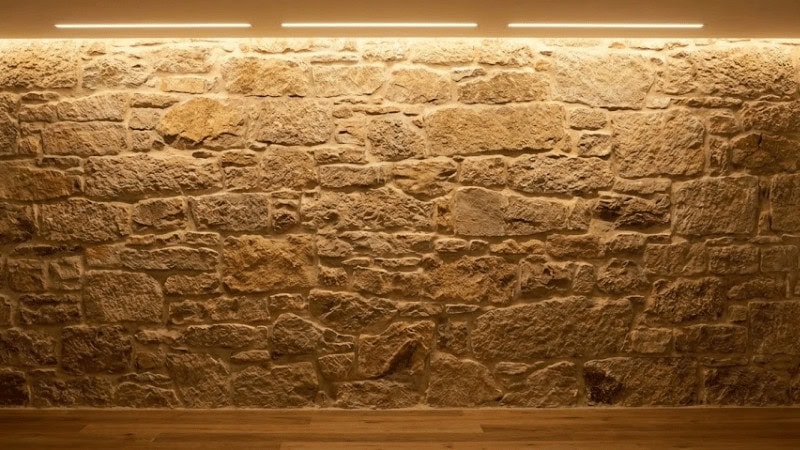
CCT Recommended (Correlated Color Temperature)
- Stone and Brick: Warm-white (approximately 2700-3000K) is desirable because it helps to reflect the natural and earthly colors of the material. In this, you must follow recommendations by material-lighting specialists.
- Concrete: A neutral-white (3500-4000K) has the tendency to remove the slight color tones of concrete and enhance perceived brightness. It also complies with industrial lighting recommendations.
CRI (Color Rendering Index)
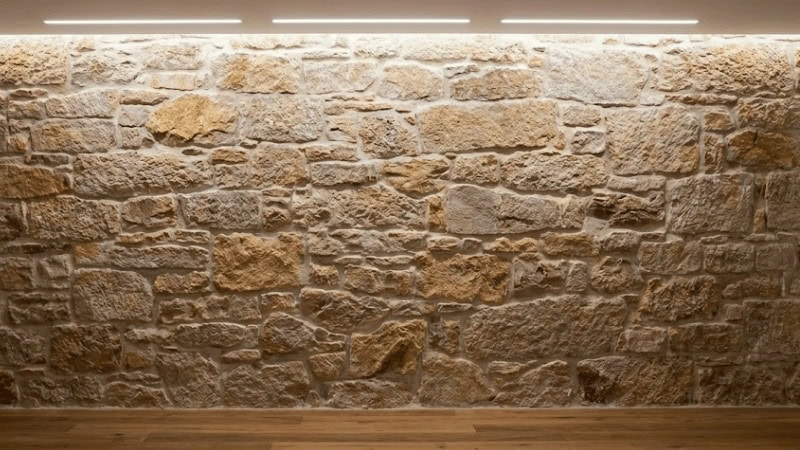
- The high CRI (90 or more) can be highly helpful to maintain the natural colouring of textured materials and their variation.
- High CRI lighting will enable you to observe the real nature of stone, the nuances of the brick, and the peculiarities of the shades of concrete.
Quick Takeaway:
Best option: 2700-3000K stone/brick (warm), 3500-4000K concrete (neutral). Always state CRI 90+ to get a correct material color image. DO NOT apply cool white (5000K+) to natural stone; it appears sterile and artificial.
Maintenance and Long-Term Performance of Textured black/white Surfaces
The good lighting does not stop when it is installed. This is what you should know when it comes to maintaining things well in the long run.
Fixture Cleaning
Wall washing textured surfaces attracts dust and debris, especially from various products used. This material accumulates both on the wall and within the fixtures.
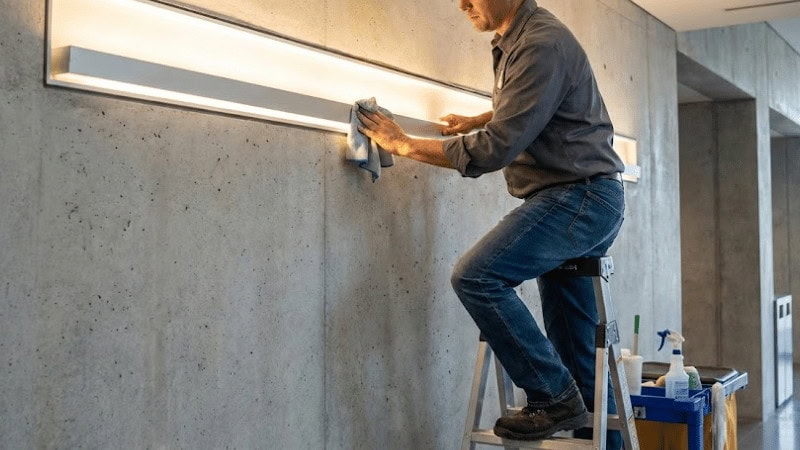
Textured surfaces naturally hold more dirt than smooth outdoor surfaces do, especially when they are close to the ground. The presence of grime directly influences the quality of reflected light.
When fixtures and walls are outdoors, arrange to have them periodically cleaned at least twice a year.
This research analyses how surface roughness, material properties (matte vs specular), and illumination distribution influence perceived material appearances like gloss, roughness, and lightness
Alignment Checks
Fixtures may move over time as a result of wind, vibration, or settling. Re-check a few times occasionally, to keep up the even wall wash effect that you so carefully brought about. Even a slight tilt of a fixture only a few degrees out of its direction may introduce significant dark spots or hotspots.

Seasonal Adjustments
Not many people consider a key factor: light intensity can change. This is due to shadows created by the sun’s angle and environmental features.
Trees, landscaping, and the seasonal direction of the sun all differ throughout the year. What appeared flawless in winter may require adjustment during summer. This is often caused by new leaves casting different shadows.
Conclusion
Wall washing lighting on textured surfaces like stone, concrete, and brick requires careful placement of lights, more than just pointing themat a wall. Effective wall wash lighting requires several careful considerations.
You need personalized beam angles that suit your depth of texture. You must also determine the correct lumen output based on the material’s reflectivity. Finally, the positioning of fixtures must be calculated based on offset and spacing.
Achieve Your Wall Washer Lighting Project with RC Lighting!
With years of experience in architectural lighting, RC Lighting can help with any indoor, outdoor, or landscape wall-wash project. Our Low MOQ, full customization options, and skilled craftsmanship ensure lighting that meets your exact needs.
Contact us now! Start your project with us today!
FAQs
Do you Provide Customization Options?
Yes. We customize the color temperature, beam angle, control type, size, finish, and other parameters to help you get a product that fits your specific purpose. We tailor each requirement to your unique case to achieve a remarkably seamless, hassle-free, and enjoyable experience.
What beam angles work best for stone, concrete, and brick surfaces?
Use narrow or asymmetric beams on stone and brick to emphasize ridges and create a visually appealing texture effect. For general wall coverage, particularly on more uniform surfaces, wider beams should be used.
How do I avoid hotspots on textured walls when wall washing?
Having excellent optic design (such as asymmetric lenses), slightly overlapping beams, and carefully aiming lights. Another thing is that to lessen overly bright spots, consider dimming.